
High-risk locations such as government facilities, military bases, airports, data centers, power plants, and critical infrastructure sites face constant security challenges. Vehicles entering these premises can pose serious threats if not properly screened, as they may carry concealed explosives, weapons, or unauthorized materials. In an era where threats are becoming more sophisticated, intelligent vehicle screening has emerged as a crucial layer of defense, enabling organizations to proactively identify risks before they escalate into incidents.
Unlike traditional security checks that rely heavily on manual inspection, intelligent vehicle screening uses advanced technologies to deliver accuracy, speed, and consistency. By combining automation, imaging, and data analysis, it significantly enhances the protection of high-risk locations while maintaining operational efficiency.
The Growing Need for Advanced Vehicle Security
Vehicles are an essential part of daily operations at high-risk sites, transporting employees, visitors, vendors, and goods. However, they are also a common vector for security breaches. Manual inspection methods, such as mirrors or visual checks, are limited in scope and highly dependent on human judgment. These methods often fail to detect well-hidden threats, especially under time pressure or high traffic volumes.
Intelligent vehicle screening addresses these gaps by providing a systematic, technology-driven approach to inspection. It allows security teams to identify suspicious elements that would otherwise go unnoticed, reducing the likelihood of successful attacks or unauthorized access.
What Makes Vehicle Screening “Intelligent”
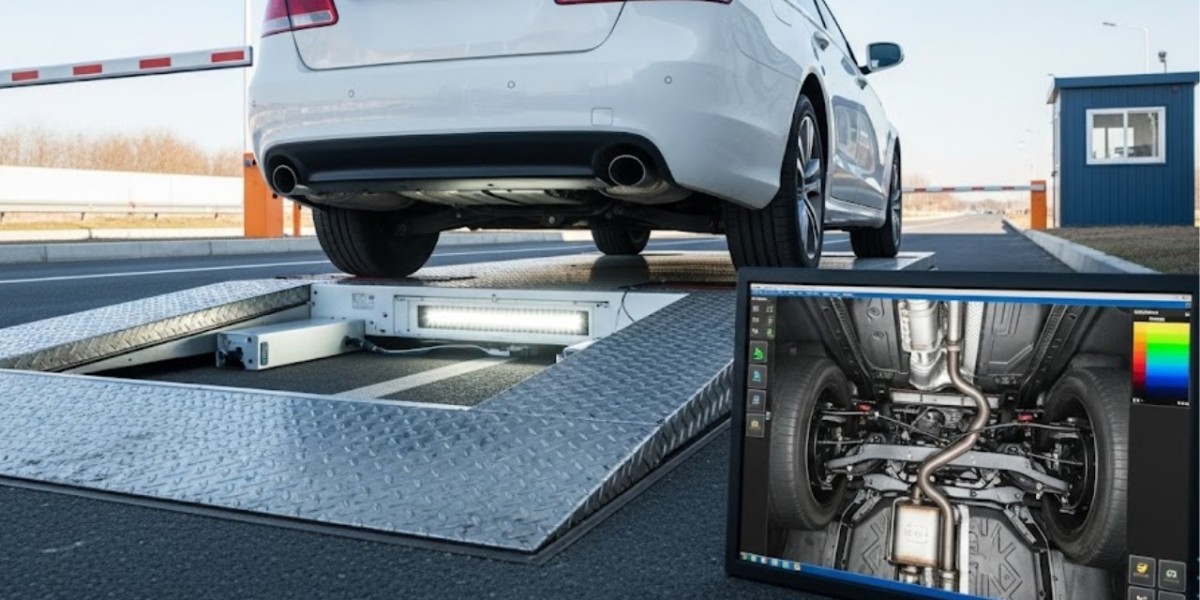
Intelligent vehicle screening goes beyond basic checks by integrating advanced imaging systems, software analytics, and automation. High-resolution cameras capture detailed visuals of critical vehicle areas, particularly those that are difficult to inspect manually. Software algorithms assist in analyzing these images, highlighting anomalies and differences that may indicate a potential threat.
This intelligence-driven approach ensures that every vehicle is inspected with the same level of scrutiny, regardless of traffic conditions or personnel fatigue. It transforms vehicle screening from a reactive task into a proactive security measure.
Detecting Hidden and Concealed Threats
One of the most significant advantages of intelligent vehicle screening is its ability to detect concealed threats. Explosive devices, contraband, or tampered components are often hidden in hard-to-see areas to avoid detection. Advanced systems provide clear, detailed views of these areas, making it easier to identify foreign objects or unusual modifications.
When combined with an Under Vehicle Surveillance System, security teams can compare real-time images with reference data to detect even minor discrepancies. This level of precision is critical for high-risk locations, where even a small oversight can have severe consequences.
Enhancing Security Without Disrupting Operations
High-risk locations often handle a continuous flow of vehicles, making efficiency just as important as security. Lengthy inspections can cause congestion, delays, and operational bottlenecks. Intelligent vehicle screening is designed to minimize disruption while maintaining strict security standards.
Vehicles can be screened quickly and non-intrusively, often while moving at low speeds. This streamlined process reduces wait times at entry points and ensures smooth traffic flow. As a result, facilities can enforce rigorous security protocols without compromising productivity or convenience.
Reducing Dependence on Human Judgment
Human error is one of the biggest vulnerabilities in any security operation. Fatigue, stress, and distractions can lead to missed threats during manual inspections. Intelligent vehicle screening reduces this dependency by supporting security personnel with automated tools and clear visual data.
By providing consistent imaging, alerts, and comparison capabilities, technology assists operators in making informed decisions. This not only improves detection accuracy but also builds confidence among security teams, knowing they are supported by reliable systems.
Strengthening Incident Response and Investigation
In addition to real-time threat detection, intelligent vehicle screening contributes to stronger incident response and post-event analysis. Digital records of vehicle inspections can be stored securely, including images, timestamps, and vehicle identification details.
If a security incident occurs, these records become invaluable for investigations, audits, and compliance reporting. They help authorities trace events, identify vulnerabilities, and improve future security measures. This level of accountability is especially important in regulated or sensitive environments.
Improving Safety for Security Personnel
Manual vehicle inspections often require security staff to be physically close to potential threats, increasing the risk of injury or exposure to hazardous materials. Intelligent vehicle screening enhances personnel safety by allowing inspections to be conducted remotely from secure control rooms.
By reducing direct contact with vehicles, organizations protect their security teams while maintaining a high level of vigilance. This safer working environment also contributes to better morale and long-term operational sustainability.
Adaptability Across High-Risk Environments
Every high-risk location has unique security requirements, and intelligent vehicle screening systems are designed to adapt accordingly. Whether deployed at a military checkpoint, an airport gate, or an industrial facility, these systems can be customized to meet specific operational needs.
Scalable designs allow organizations to expand or upgrade capabilities as threats evolve. Integration with access control, surveillance, and alarm systems further strengthens the overall security ecosystem, ensuring a comprehensive approach to protection.
Building Long-Term Resilience and Trust
Beyond immediate threat prevention, intelligent vehicle screening plays a vital role in building long-term resilience. A robust and visible security infrastructure reassures employees, visitors, and stakeholders that safety is taken seriously.
For high-risk locations, this trust is invaluable. It supports business continuity, enhances reputation, and demonstrates compliance with security standards and best practices.
Conclusion
As threats to high-risk locations continue to evolve, relying on outdated vehicle inspection methods is no longer sufficient. Intelligent vehicle screening offers a powerful solution by combining advanced technology, automation, and data-driven analysis to detect threats early and reliably.
By improving detection accuracy, reducing human error, enhancing operational efficiency, and protecting security personnel, intelligent vehicle screening forms a critical component of modern security strategies. For organizations responsible for safeguarding sensitive assets and people, investing in intelligent vehicle screening is not just a precaution—it is an essential step toward a safer and more secure future.