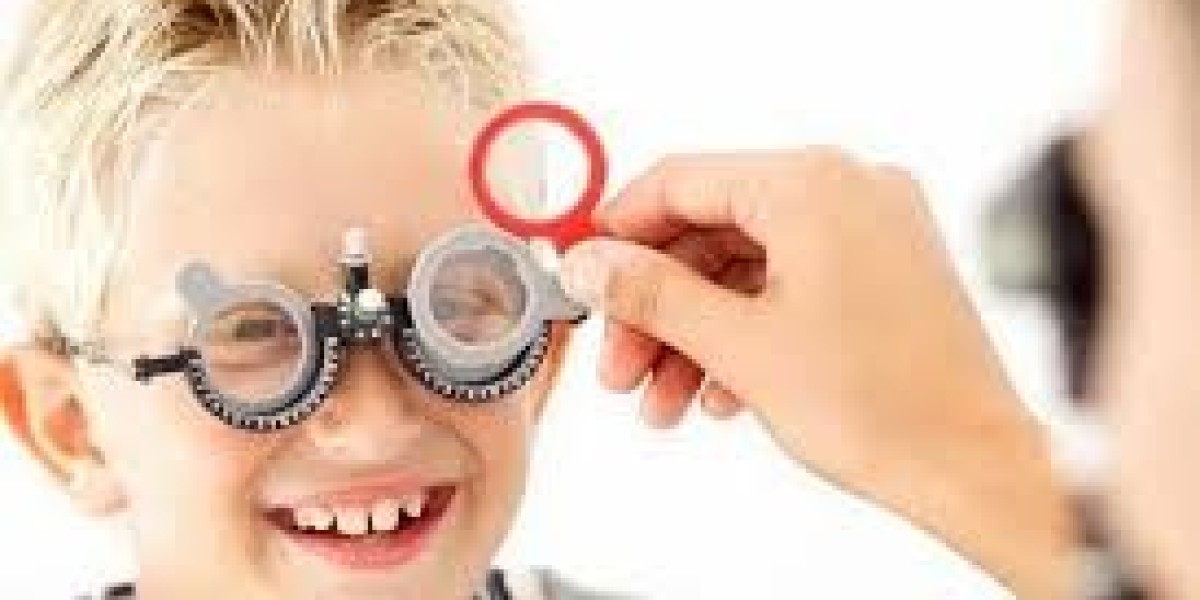

Ocular hypertension refers to a condition in which the pressure inside the eye Best Eye Hospital Near Me in Thrissur (intraocular pressure) is higher than normal but without damage to the optic nerve or vision loss.
Although it does not immediately cause symptoms or vision problems, ocular hypertension is important because it can increase the risk of developing Glaucoma if left untreated.
Why Ocular Hypertension Occurs
Inside the eye, a clear fluid called aqueous humor is continuously produced and drained. This fluid helps maintain eye pressure and nourishes eye structures.
Ocular hypertension occurs when:
The eye produces too much fluid, or
The drainage system does not remove fluid efficiently.
As a result, pressure inside the eye increases.
Risk Factors
Certain factors can increase the risk of developing ocular hypertension.
Age
People over 40 have a higher risk.
Family History
A family history of glaucoma increases susceptibility.
High Myopia
Severe Myopia may increase the risk.
Thin Corneas
Individuals with thinner corneas may have higher measured eye pressure.
Diabetes and High Blood Pressure
These systemic conditions may contribute to increased risk.
Long-Term Steroid Use
Steroid medications can raise intraocular pressure.
Symptoms of Ocular Hypertension
Ocular hypertension usually does not cause noticeable symptoms.
Most people are unaware of the condition until it is detected during a routine eye examination.
Because of this, regular eye checkups are essential for early detection.
Diagnosis
Eye specialists diagnose ocular hypertension through several tests.
Tonometry
Measures intraocular pressure.
Pachymetry
Measures corneal thickness.
Optic Nerve Examination
Checks for signs of damage to the optic nerve.
Visual Field Test
Detects any changes in peripheral vision.
These tests help determine whether the condition may progress to glaucoma.
Treatment Options
Treatment focuses on lowering eye pressure to reduce the risk of glaucoma.
Medicated Eye Drops
Prescription eye drops help reduce fluid production or improve drainage.
Laser Therapy
Laser procedures may improve fluid drainage from the eye.
Monitoring
In mild cases, doctors may monitor eye pressure regularly without immediate treatment.
The treatment approach depends on the patient’s risk of developing glaucoma.
Prevention and Eye Care
While ocular hypertension cannot always be prevented, certain steps may help maintain eye health:
Schedule regular comprehensive eye examinations
Maintain healthy blood pressure and blood sugar levels
Avoid unnecessary steroid medications
Protect the eyes from injury
Follow treatment recommendations if diagnosed
Final Thoughts
Ocular hypertension is a condition characterized by elevated eye pressure without immediate vision damage. However, it increases the risk of glaucoma and should be carefully monitored.
Early detection through routine eye exams and proper management can help prevent optic nerve damage and preserve long-term vision.