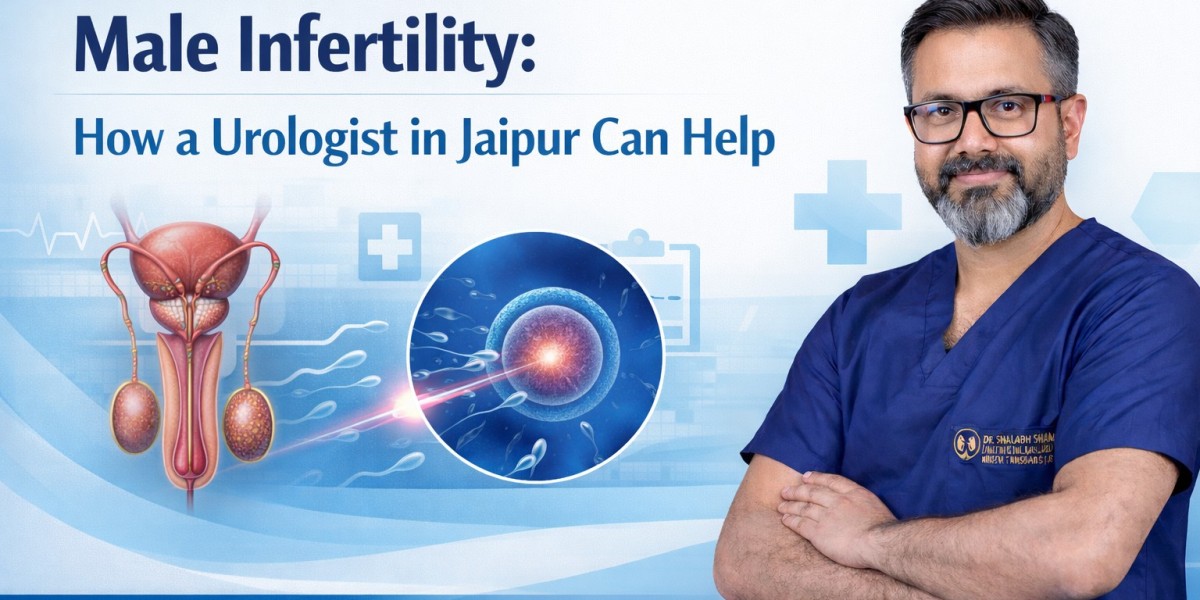

Infertility is often considered a women’s health issue, but in reality, male infertility contributes to nearly 40–50% of infertility cases in couples. When a couple struggles to conceive after a year of regular, unprotected intercourse, both partners should undergo medical evaluation. Unfortunately, many men hesitate to seek medical help due to lack of awareness or social stigma.
Male infertility can occur due to several factors such as low sperm count, poor sperm quality, hormonal imbalance, lifestyle habits, or underlying medical conditions. The good news is that modern medical advancements have made it possible to diagnose and treat many causes of male infertility effectively.
Consulting an experienced Urologist in Jaipur can help identify the root cause of infertility and guide couples toward the right treatment options. With proper diagnosis and personalized treatment, many couples can successfully achieve their dream of parenthood.
Understanding Male Infertility
Male infertility refers to a man’s inability to cause pregnancy in a fertile female partner. This usually occurs when there is a problem with sperm production, sperm function, or the delivery of sperm.
For natural conception to occur, several factors must work properly:
The testes must produce healthy sperm.
The sperm must be present in sufficient quantity.
The sperm must be able to move efficiently to reach the egg.
The reproductive tract must allow proper sperm transport.
If any of these processes are affected, it may lead to infertility. A detailed evaluation by a qualified Urologist in Jaipur helps determine the exact cause and appropriate treatment.
Common Causes of Male Infertility
Male infertility can result from various medical, lifestyle, and environmental factors. Some of the most common causes include the following.
Low Sperm Count
Low sperm count, also called oligospermia, occurs when the semen contains fewer sperm than normal. This reduces the chances of fertilization during intercourse.
Poor Sperm Motility
Sperm motility refers to the ability of sperm to move effectively. If sperm cannot swim properly, they may not reach the egg for fertilization.
Abnormal Sperm Shape
Sometimes sperm may have abnormal shapes that affect their ability to fertilize an egg. This condition is known as teratozoospermia.
Varicocele
Varicocele is the enlargement of veins in the scrotum. It can increase the temperature around the testes and affect sperm production. It is one of the most common treatable causes of male infertility.
Hormonal Imbalance
Hormones play a crucial role in sperm production. Imbalances in hormones such as testosterone can interfere with the normal reproductive process.
Blockage in the Reproductive Tract
In some cases, sperm production may be normal, but blockages in the reproductive tract prevent sperm from being released during ejaculation.
A thorough medical examination by a Urologist in Jaipur helps identify which of these factors may be contributing to infertility.
Lifestyle Factors That Affect Male Fertility
Certain lifestyle habits can negatively impact sperm quality and overall reproductive health. These factors may include:
Smoking and tobacco use
Excessive alcohol consumption
Obesity
Poor diet and lack of exercise
Stress and lack of sleep
Exposure to environmental toxins
Improving lifestyle habits can sometimes significantly improve fertility outcomes.
Symptoms of Male Infertility
In many cases, male infertility may not show obvious symptoms other than the inability to conceive. However, some men may experience signs such as:
Difficulty with sexual function
Pain or swelling in the testicles
Reduced facial or body hair growth
Low sexual desire
Problems with ejaculation
If a couple has been trying to conceive for more than a year without success, it is advisable to seek evaluation from a qualified Urologist in Jaipur.
How Male Infertility Is Diagnosed
Accurate diagnosis is the first step in treating male infertility. Doctors use several tests to evaluate reproductive health.
Medical History and Physical Examination
The doctor may ask questions about medical history, lifestyle habits, medications, and previous surgeries.
Semen Analysis
Semen analysis is one of the most important tests. It evaluates:
Sperm count
Sperm movement (motility)
Sperm shape (morphology)
Hormone Testing
Blood tests may be performed to measure hormone levels that affect sperm production.
Imaging Tests
Ultrasound or other imaging techniques may be used to detect structural problems such as varicocele or blockages.
These diagnostic tests help a Urologist in Jaipur determine the exact cause of infertility and recommend the most effective treatment.
Treatment Options for Male Infertility
Treatment depends on the underlying cause of infertility. Fortunately, many cases can be treated successfully.
Medication and Hormone Therapy
If infertility is caused by hormonal imbalance or infection, medications may help restore normal reproductive function.
Surgical Treatment
Surgery may be recommended for conditions such as varicocele or blockages in the reproductive tract. Surgical correction can improve sperm production and flow.
Assisted Reproductive Techniques
In some cases, assisted reproductive methods may be recommended, including:
Intrauterine insemination (IUI)
In vitro fertilization (IVF)
Intracytoplasmic sperm injection (ICSI)
These techniques increase the chances of pregnancy when natural conception is difficult.
Tips to Improve Male Fertility
In addition to medical treatment, certain lifestyle changes can improve reproductive health and fertility potential.
Helpful tips include:
Maintaining a healthy body weight
Eating a balanced and nutritious diet
Avoiding smoking and alcohol
Exercising regularly
Managing stress levels
Getting adequate sleep
Regular medical checkups also help monitor reproductive health and detect problems early.
When Should You Seek Medical Help?
Couples should consider consulting a doctor if:
Pregnancy has not occurred after one year of trying
The male partner has a history of reproductive problems
There are symptoms such as testicular pain or swelling
There is a known hormonal disorder or previous surgery affecting the reproductive organs
Early evaluation by a specialist can greatly improve the chances of successful treatment.
Conclusion
Male infertility is a common but often misunderstood condition that can affect many couples trying to start a family. Fortunately, advances in medical science have made it possible to diagnose and treat many of the underlying causes effectively.
Through proper evaluation, diagnostic testing, and personalized treatment plans, many men can overcome fertility challenges and achieve successful parenthood. Early medical attention plays a key role in improving outcomes and preventing unnecessary delays in treatment.
If you and your partner are experiencing difficulty conceiving, consulting an experienced Urologist in Jaipur can help identify the cause and guide you toward the most suitable treatment options. With the right medical care and lifestyle changes, many couples can take a positive step toward building their family.