
Selecting house siding is a major step in any renovation or new build, as it directly impacts both the appearance and performance of your home. Beyond visual appeal, siding protects against weather, improves insulation, and contributes to long-term structural integrity.
Selecting the ideal siding involves considering your home's architectural style, local climate, budget, and desired maintenance level. From classic charm to sleek contemporary lines, the right residential siding can transform your home's appearance and provide lasting protection. This guide will walk you through the most popular exterior siding options for both modern and traditional homes, offering insights to help you choose with confidence.
Vinyl Siding: Versatility Meets Value
Vinyl siding remains one of the most popular types of house siding due to its affordability, versatility, and low maintenance. Manufactured primarily from PVC (polyvinyl chloride) resin, it's known for its ability to resist dents, scratches, and harsh weather conditions. Modern vinyl siding has evolved significantly, offering a vast array of colors, textures, and profiles that mimic natural materials like wood.
Key Benefits of Vinyl Siding
Vinyl siding provides exceptional value, making it a favorite for many homeowners. Its lightweight nature makes installation relatively straightforward, often translating to lower labor costs. The material itself is impervious to rot and insect infestations, which is a significant advantage over wood-based alternatives. From a practical perspective, vinyl siding typically only requires occasional washing with soap and water to maintain its appearance, making it an excellent choice for those seeking minimal upkeep.
Aesthetics and Design Flexibility
Contemporary vinyl siding boasts advanced manufacturing techniques that allow for realistic wood grain textures, deep, rich colors with UV protection to resist fading, and various profiles such as clapboard, Dutch lap, shakes, and scallops. This range allows it to blend seamlessly with both traditional and some modern house siding aesthetics. Its color consistency throughout the material means scratches are less visible, ensuring long-term visual appeal. For homeowners in areas prone to moisture, vinyl's resistance makes it a practical choice, much like vinyl flooring is ideal for moisture-prone areas.
Fiber Cement Siding: Unmatched Durability and Style
Fiber cement siding has gained immense popularity for its exceptional durability and ability to replicate the look of wood, stucco, or masonry without the associated maintenance challenges. Made from a blend of cement, sand, water, and cellulose fibers, it's an incredibly robust material that stands up well to extreme weather, fire, and pests.
Advantages of Fiber Cement
One of the most compelling advantages of fiber cement is its longevity. Many manufacturers offer warranties spanning 30 to 50 years, reflecting its inherent strength and resilience. It's fire-resistant, rot-resistant, and insect-proof, making it an excellent investment for homeowners who prioritize maximum protection. Its thermal properties also contribute to improved insulation, aiding in energy efficiency, a benefit similar to that offered by installing energy-efficient windows. The material's density means it also performs well in reducing exterior noise.
Achieving Diverse Architectural Looks
Fiber cement's ability to imitate other materials with impressive accuracy makes it a highly sought-after residential siding option for both traditional and modern house siding designs. It can be manufactured to mimic the texture and appearance of wood clapboards, shingles, vertical panels, and even stone or brick. This versatility allows architects and homeowners to achieve sophisticated designs without the higher cost and intensive maintenance often associated with natural materials. For instance, you could achieve a classic Craftsman look or a sleek, contemporary aesthetic depending on the chosen profile and finish. Proper application and painting ensure its long-term beauty.
Wood Siding: Timeless Appeal and Natural Beauty
For centuries, wood has been a quintessential choice among types of house siding, celebrated for its organic warmth, natural beauty, and timeless appeal. Common options include cedar, redwood, pine, and cypress, each offering distinctive grains, knots, and colors. Wood siding can be installed in various styles, from classic clapboard and shakes to modern vertical panels.
The Charm of Natural Wood
The aesthetic appeal of wood siding is undeniable. It brings a natural texture and character to a home that synthetic materials often struggle to replicate. Wood is also a renewable resource, making it an environmentally friendly choice for some homeowners. Its inherent insulating properties can contribute to a home's overall thermal performance. Maintaining its beauty requires regular attention, including staining, painting, or sealing every few years, which can be a rewarding aspect for those who appreciate hands-on home care. This contrasts with the lower upkeep of materials like composite decking, as explored in extending your deck's life with proper maintenance.
Customization and Maintenance Considerations
The ability to paint or stain wood siding opens up limitless possibilities for customization, allowing homeowners to frequently update their home's exterior color. However, this flexibility comes with the responsibility of ongoing maintenance. Wood is susceptible to rot, insect damage, and warping if not properly maintained. Regular inspections and timely repairs are crucial to preserving its integrity and appearance. Understanding the specific needs of wood is key to enjoying its long-term benefits.
Metal Siding: Sleek, Durable, and Modern
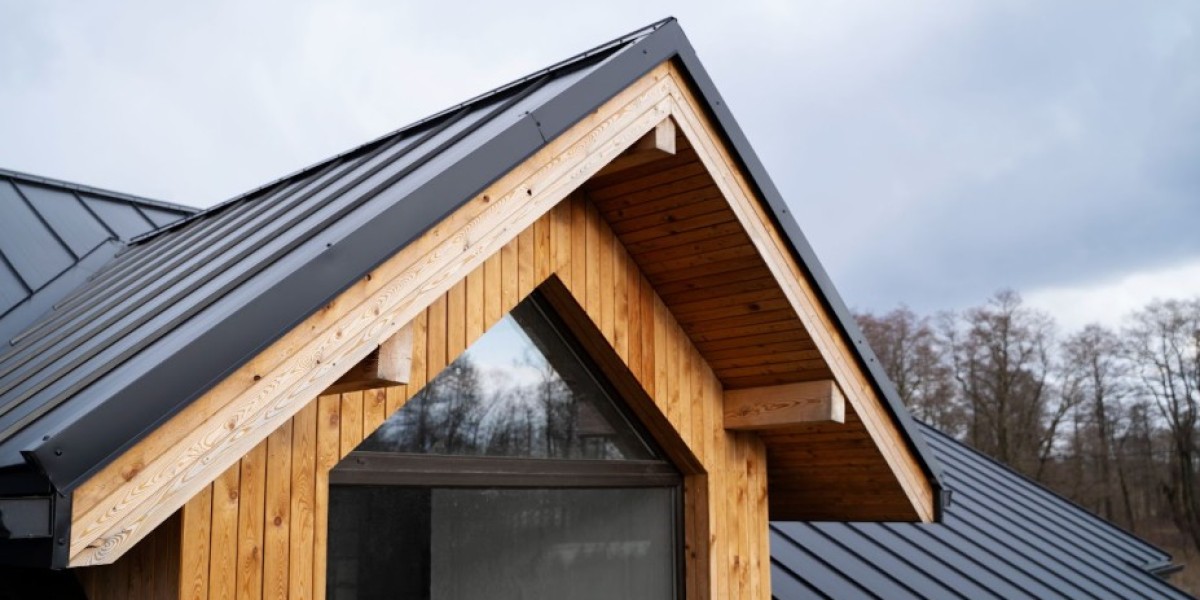
Metal siding, particularly steel and aluminum, represents a strong contender for homeowners seeking a low-maintenance, high-durability option with a decidedly modern house siding aesthetic. Historically associated with industrial buildings, metal siding has evolved significantly, now offering sophisticated profiles and finishes suitable for residential applications.
The Robustness of Metal
Metal siding is incredibly durable, resistant to rot, pests, fire, and extreme weather conditions. Steel siding, for instance, is exceptionally strong and can withstand significant impact, making it ideal for harsh climates. Aluminum siding is lighter, resistant to rust, and can mimic other siding styles. Both offer excellent longevity with minimal maintenance, usually just a simple wash. The resilience of materials like metal siding parallels the sturdy nature of fiberglass exterior doors which offer similar benefits.
Modern Aesthetics and Energy Efficiency
Metal siding is a popular choice for contemporary and minimalist architectural styles. It comes in a variety of sleek profiles, including vertical panels, corrugated sheets, and flat panels, allowing for clean lines and a distinct modern house siding look. Many types of metal siding are coated with reflective finishes that can enhance a home's energy efficiency by reflecting solar heat, keeping interiors cooler in warm climates. Some metal siding options are also made from recycled materials, contributing to sustainable building practices.
Brick and Stone Siding: Classic Elegance and Enduring Strength
Brick and natural stone have been revered as types of house siding for centuries, synonymous with strength, permanence, and classic beauty. While more of an investment upfront, their enduring qualities often make them a wise long-term choice.
The Timeless Appeal of Masonry
Brick and stone offer unparalleled durability and a timeless aesthetic that can suit everything from historic homes to rustic modern designs. They are naturally fire-resistant, pest-proof, and highly resistant to severe weather. The intricate patterns and textures of brickwork or the rugged charm of natural stone add significant character and perceived value to a home. Beyond aesthetics, masonry provides excellent thermal mass, which can help regulate indoor temperatures, contributing to consistent comfort and energy savings.
Longevity and Maintenance
The lifespan of brick and stone siding is exceptional, often lasting for generations with minimal maintenance. Unlike painted surfaces, they do not require regular repainting or staining. Occasional cleaning of mortar joints or stone surfaces can keep them looking their best. While the initial installation cost is higher than many other exterior siding options, the long-term savings on maintenance and replacement often offset this investment, making them a sustainable choice for homeowners looking for lasting quality.
Stucco Siding: European Charm and Customization
Stucco, a centuries-old building material, traditionally consists of cement, sand, lime, and water, applied in layers over a wall surface. Modern stucco systems often incorporate acrylics for enhanced flexibility and durability. It offers a distinct, seamless finish that is highly customizable and lends itself to both traditional Mediterranean or Spanish architectural styles, as well as sleek, modern house siding applications.
Benefits of Stucco
Stucco is known for its excellent durability, fire resistance, and insulation properties. It provides a solid, monolithic appearance that can be tinted to a wide range of colors or painted. Its seamless nature means fewer seams for moisture to penetrate, and its breathability can help manage moisture within wall systems. The material is also very versatile when it comes to design, allowing for various textures, from smooth to heavily textured finishes, offering a unique tactile dimension to a home's exterior.
Versatility and Climate Considerations
The ability of stucco to conform to various architectural shapes and curves makes it a preferred choice for complex designs. While traditional stucco was prone to cracking in freeze-thaw cycles, modern acrylic-modified stucco provides greater flexibility and resistance to cracking, making it suitable for a broader range of climates. Proper installation, including robust drainage systems, is critical to prevent moisture-related issues, ensuring its long-term performance and beauty.
Choosing the Best Siding for Your Home
Deciding among the many types of house siding involves carefully weighing your priorities. Are you looking for maximum energy efficiency, unparalleled durability, or a specific aesthetic? Each material offers a unique combination of benefits. Consider factors like initial cost, long-term maintenance, local climate conditions, and how the siding complements your home's architectural style and existing elements, like your homes architectural style influenced by molding choices.
Whether you lean towards the classic elegance of brick, the natural charm of wood, the low-maintenance appeal of vinyl, or the modern house siding designs offered by fiber cement or metal, careful consideration will lead to a choice that enhances your home for years to come. Understanding these exterior siding options helps you make an educated decision for your residential siding needs.
Making the right choice for your home's exterior is a significant investment. At FMD Distributor, we understand the nuances of various building materials and their impact on your home's performance and appearance. If you're considering new siding or simply need expert advice on the best types of house siding for your specific project, we're here to help. Contact us today to discuss your vision and explore durable, beautiful solutions that fit your home and lifestyle.
FAQs
What are the most popular types of house siding?
Some of the most popular types of house siding include vinyl, fiber cement, wood (like cedar or redwood), brick, stucco, and metal (steel or aluminum). Each offers unique aesthetics, durability, and maintenance requirements.
How do I choose the best siding for my home?
Choosing the best siding depends on factors like your budget, desired aesthetics, local climate, maintenance preferences, and home's architectural style. Consider long-term costs, insulation properties, and durability.
What is the most durable type of house siding?
Fiber cement and brick are generally considered among the most durable types of house siding, known for their resistance to fire, pests, and harsh weather conditions. Metal siding also offers excellent longevity with proper maintenance.
Is vinyl siding a good option for homes?
Vinyl siding is a popular and cost-effective option known for its low maintenance, versatility in colors, and resistance to rot and insects. However, it can be susceptible to cracking in extreme temperatures and may not offer the same high-end aesthetic as other materials.
What are the maintenance requirements for different siding materials?
Maintenance varies greatly: vinyl and metal typically require occasional cleaning, while wood siding needs regular painting or staining. Fiber cement is low maintenance but may need repainting over time, and brick is highly durable with minimal upkeep.