
Introduction
Craft kits are more than just fun activities for kids. They are powerful tools that support learning and development by combining creativity with hands-on education. When children use craft kits to build, design, and assemble projects, they practice problem solving, sequencing, fine motor skills, and critical thinking. What may seem like play is actually a structured learning experience that boosts multiple skills at once. Parents and educators can use craft kits to turn enjoyable moments into meaningful lessons for kids.
Why Hands-On Learning Matters
Active participation helps children retain knowledge better than passive activities. Using craft kits engages multiple senses, including visual, tactile, and cognitive skills. Children who interact with materials, follow instructions, and solve challenges develop stronger STEM and creative skills. Hands-on projects encourage curiosity, experimentation, and independent thinking, making learning both fun and effective.
Turning Craft Kits into Educational Tools
To maximize the learning potential of craft kits, it is important to add structure and intention to every project.
Set Learning Goals
Before starting, decide what children should gain from the activity. This could include sequencing, measuring, basic engineering, vocabulary, or creative storytelling. Clear objectives help transform craft kits into purposeful educational projects.
Introduce Keywords
Teach children relevant words before starting the project. For example, terms like balance, structure, and design enhance STEM understanding, while sequence, describe, and compare improve literacy. Linking words with action strengthens comprehension and retention.
Ask Thoughtful Questions
Encourage children to explain their choices by asking questions like: What inspired your design? How could this be stronger? What would happen if you changed this part? This approach enhances critical thinking and problem-solving skills while maintaining the fun of craft kits.
Craft Kits Across Subjects
Language and Writing
After completing a project, children can write descriptions, label parts, or tell stories about their creations. This builds vocabulary, narrative skills, and communication.
Math Skills
Using craft kits naturally teaches counting, measuring, shapes, and patterns. Projects often require planning and precision, supporting math understanding in an engaging way.
Science and STEM
Modeling ecosystems, building structures, or experimenting with materials introduces scientific reasoning and engineering principles. Hands-on craft projects make complex STEM concepts tangible for kids.
Implementing Craft Projects in Classrooms
Teachers can effectively use craft kits without taking too much instructional time. Begin with clear goals, introduce essential terms, assign roles for focus, and set time limits. Reflection after the activity, where children explain what they learned and created, reinforces understanding and strengthens communication skills.
Craft Kits for Home Learning
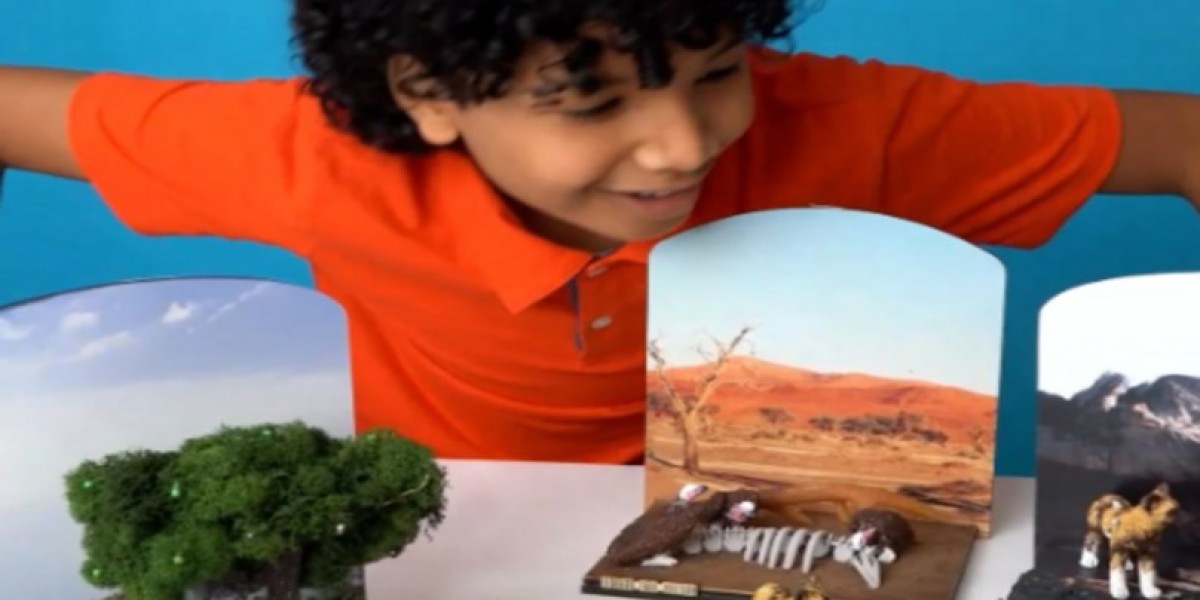
At home, parents can use craft kits to complement lessons or weekly themes. Creating a habitat model can reinforce lessons on wildlife, while designing characters encourages storytelling and writing skills. Consistent use of educational craft kits helps children connect ideas, develop skills, and explore topics creatively.
Assessing Learning Through Craft Kits
Learning does not require formal tests. Observing children as they work, asking them to explain their steps, and documenting their finished projects create a portfolio of progress. This approach highlights skill development, problem solving, and hands-on learning achievements.
Long-Term Benefits
When integrated into regular learning, craft kits help children develop persistence, creativity, independence, critical thinking, problem-solving skills, confidence, and stronger vocabulary. These skills support not only academic growth but also personal development.
Conclusion
Craft kits are an excellent way to combine fun with education for kids. By setting learning goals, introducing keywords, asking questions, and encouraging reflection, parents and teachers can turn creative activities into powerful educational experiences. Children learn that creativity, problem solving, and exploration go hand in hand with knowledge. Hands-on craft kits make learning engaging, meaningful, and enjoyable.