
Operational safety has become a key priority for organizations across Egypt, especially as the country continues to expand its infrastructure and industrial capabilities. Facilities such as manufacturing plants, logistics hubs, ports, airports, and energy sites must maintain secure environments to ensure uninterrupted operations.
With increasing activity levels, these facilities face growing challenges in managing risks associated with unauthorized access, vehicle movement, and potential security threats. Ensuring operational safety is no longer limited to basic security measures; it now requires advanced, technology-driven solutions that can adapt to evolving demands.
Modern security technologies are playing a critical role in helping organizations strengthen their safety frameworks while maintaining efficiency.
The Shift Toward Technology-Driven Security
Traditional security systems often relied on manual processes such as physical inspections and human surveillance. While these methods still play an important role, they may not be sufficient in high-traffic or high-risk environments.
Technology-driven security solutions use advanced tools such as intelligent cameras, automated inspection systems, and real-time monitoring platforms to improve overall safety. These systems are designed to work continuously, providing consistent and accurate monitoring without fatigue or human error.
By adopting these solutions, organizations in Egypt can enhance their ability to detect threats and respond to incidents more effectively.
Strengthening Access Control at Entry Points
Entry points are one of the most critical areas in any facility. Every vehicle and individual entering a site must be verified to ensure that they are authorized and do not pose a security risk.
In busy facilities, managing entry points manually can be challenging. Security personnel may need to inspect a large number of vehicles within a short period, increasing the likelihood of errors or missed threats.
Technology-driven solutions improve access control by automating verification and monitoring processes. Systems can record vehicle details, track entry and exit times, and ensure that only authorized vehicles are granted access.
This level of control helps reduce the risk of unauthorized entry and enhances overall operational safety.
Enhancing Vehicle Inspection Capabilities
Vehicles are an essential part of facility operations, but they can also present potential security risks if not properly inspected. Cargo trucks, maintenance vehicles, and service providers may carry items that need to be carefully screened before entering restricted areas.
Manual vehicle inspections can be time-consuming and may not always detect hidden threats. Technology-driven inspection systems provide a more reliable and efficient alternative.
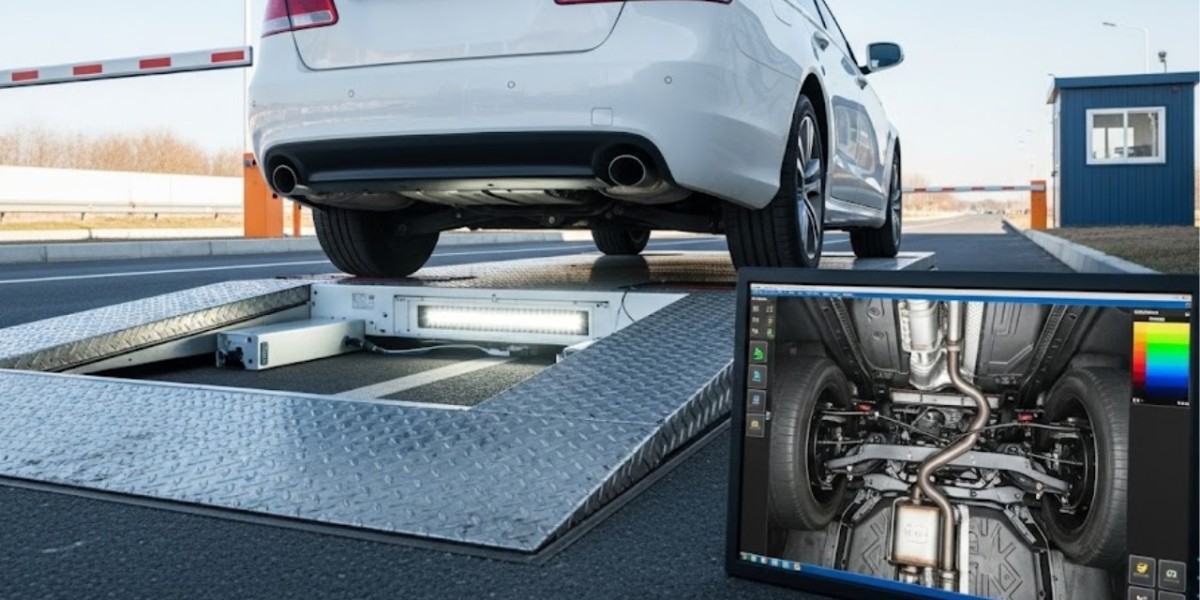
Advanced imaging and scanning systems can examine different parts of a vehicle quickly and accurately. For instance, a UVIS solution captures detailed images of the vehicle’s underside, allowing security personnel to identify suspicious objects or structural changes that may not be visible during a routine inspection.
This improved visibility significantly enhances the effectiveness of vehicle screening procedures.
Detecting Threats in Real Time
One of the most significant advantages of technology-driven security solutions is real-time threat detection. Modern systems continuously monitor facility activity and provide instant alerts when unusual behavior or suspicious objects are detected.
This capability allows security teams to respond immediately to potential risks. For example, if a vehicle inspection system identifies an irregularity, operators can stop the vehicle and conduct a more detailed inspection before allowing it to proceed.
Real-time monitoring reduces response times and helps prevent security incidents from escalating.
Improving Efficiency Without Compromising Safety
Maintaining operational efficiency is just as important as ensuring security. Facilities that handle large volumes of vehicles and personnel must ensure that security procedures do not cause unnecessary delays.
Manual inspections can slow down operations, particularly during peak hours when many vehicles arrive at the same time.
Technology-driven solutions streamline these processes by automating inspections and monitoring tasks. Vehicles can be scanned as they move through checkpoints, reducing waiting times while maintaining thorough security checks.
This balance between efficiency and safety is essential for modern facilities in Egypt.
Leveraging Data for Better Decision-Making
Modern security systems generate large amounts of data that can be used to improve safety strategies. Inspection records, surveillance footage, and access logs can all be stored and analyzed to identify patterns and trends.
This data helps organizations understand potential vulnerabilities and make informed decisions about improving their security measures.
For example, if certain types of vehicles frequently trigger alerts, additional screening procedures can be implemented to address potential risks.
Data-driven insights also support compliance requirements and provide documentation for security audits.
Integrating Security Systems for Comprehensive Protection
Technology-driven security solutions are most effective when they are integrated into a unified system. Surveillance cameras, access control systems, vehicle inspection technologies, and monitoring platforms can all work together to provide comprehensive protection.
This integration allows security personnel to monitor all aspects of facility operations from a central control point. When systems are connected, they can share information and provide a more complete view of potential threats.
A layered security approach ensures that multiple systems work together to detect and prevent risks.
Protecting Critical Infrastructure and Workforce
Operational safety is not only about protecting physical assets but also about ensuring the safety of employees and visitors. Facilities must create secure environments where people can work without fear of potential threats.
Technology-driven security solutions help achieve this by providing reliable monitoring and early threat detection. By reducing risks and improving response times, these systems contribute to a safer working environment.
Protecting critical infrastructure also ensures that essential services continue to operate without disruption, supporting the country’s overall stability.
Preparing for Future Security Advancements
As technology continues to evolve, security systems will become even more advanced. Artificial intelligence and machine learning are expected to enhance the capabilities of monitoring platforms, enabling them to detect unusual patterns and predict potential threats.
Future systems may also offer faster processing speeds, improved image quality, and greater integration with other technologies.
Organizations that invest in technology-driven security solutions today will be better prepared to adopt these advancements and maintain high levels of operational safety.
Conclusion
Technology-driven security solutions are transforming the way organizations in Egypt manage operational safety. By combining advanced monitoring tools, automated inspection systems, and real-time data analysis, these solutions provide stronger protection against potential threats.
From improving access control to enhancing vehicle inspection and enabling faster response times, modern technologies offer a comprehensive approach to security.
As Egypt continues to develop its infrastructure and industrial sectors, adopting advanced security solutions will be essential for ensuring safe, efficient, and reliable operations across all critical facilities.