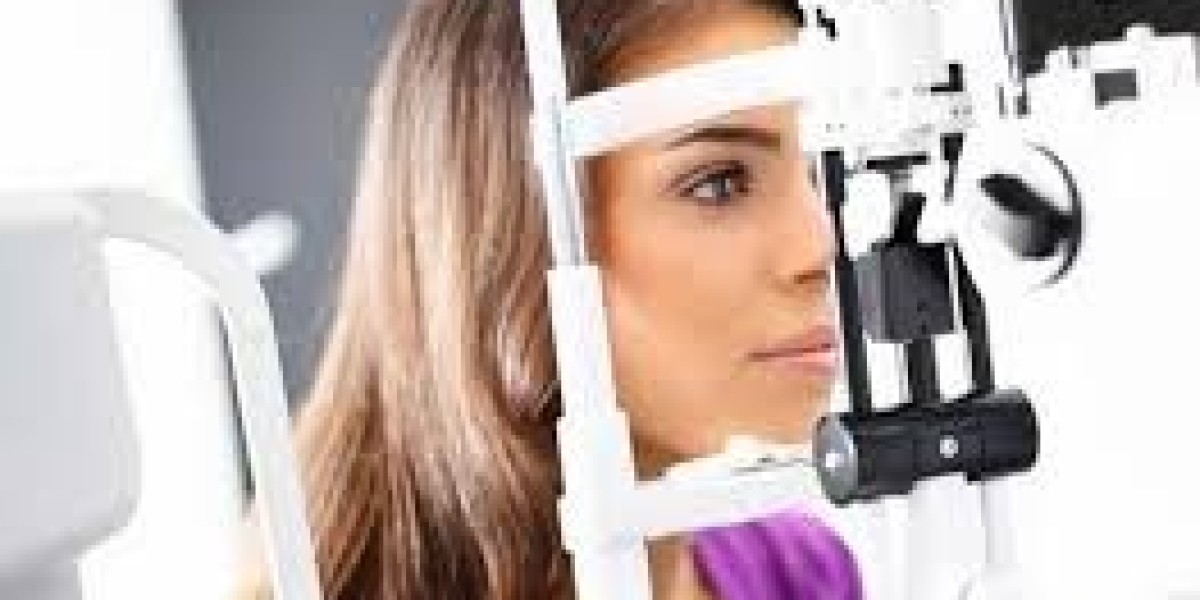

Macular degeneration, also known as Age-Related Macular Degeneration, best eye experts in thrissur is a condition that affects the macula, the central part of the retina responsible for sharp, detailed vision.
It is one of the leading causes of vision loss, especially in older adults, and primarily affects central vision, leaving peripheral vision intact.
Why Macular Degeneration Occurs
Macular degeneration occurs due to damage or deterioration of the macula over time.
Aging is the primary cause, but genetic and environmental factors also play a role.
Types of Macular Degeneration
Dry Macular Degeneration
The most common form, caused by gradual thinning of the macula and buildup of deposits (drusen).
Wet Macular Degeneration
A more severe form involving abnormal blood vessel growth under the retina, which can leak fluid or blood.
Risk Factors
Aging (especially over 50)
Family history
Smoking
High blood pressure
Obesity
Poor diet
Symptoms of Macular Degeneration
Symptoms usually develop gradually but may worsen over time.
Common symptoms include:
Blurred or distorted central vision
Difficulty reading or recognizing faces
Dark or empty areas in central vision
Straight lines appearing wavy
Peripheral vision is usually preserved.
Diagnosis
Macular degeneration is diagnosed through a comprehensive eye examination.
Tests may include:
Dilated eye exam
Optical coherence tomography (OCT)
Amsler grid test
Fluorescein angiography
Early detection helps slow progression.
Treatment Options
Treatment depends on the type and severity.
For Dry Macular Degeneration
Nutritional supplements (vitamins and antioxidants)
Lifestyle changes
For Wet Macular Degeneration
Anti-VEGF injections to stop abnormal blood vessel growth
Laser therapy in some cases
While there is no complete cure, treatment can slow progression and preserve vision.
Prevention Tips
Eat a healthy diet rich in leafy greens
Avoid smoking
Manage blood pressure
Protect eyes from UV light
Get regular eye exams
Final Thoughts
Macular degeneration is a common age-related eye condition that affects central vision and quality of life. Early detection and proper management can help slow its progression and maintain independence.
Taking care of your overall health and having regular eye checkups are essential steps in protecting your vision.