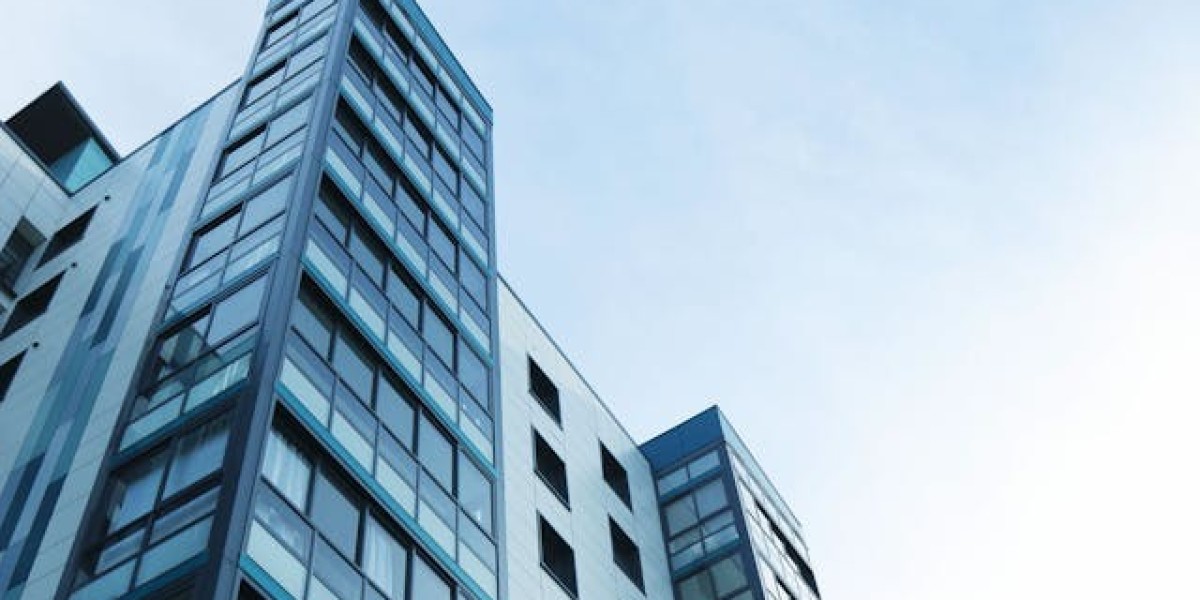

Property Maintenance Services play a crucial role in preserving the safety, functionality, and overall value of residential, commercial, and industrial properties. Proper maintenance ensures that buildings remain structurally sound, visually appealing, and comfortable for occupants. Whether it involves routine inspections, repairs, cleaning, or landscaping, property maintenance is an ongoing process that protects investments and enhances the lifespan of structures.
Understanding Property Maintenance
Property maintenance refers to the regular care, inspection, and repair of buildings and surrounding areas to keep them in good condition. It includes a wide range of tasks designed to prevent deterioration, fix damages, and maintain essential systems such as plumbing, electrical, heating, and cooling. These services ensure that properties remain safe, efficient, and compliant with local regulations.
Maintenance can be categorized into three main types: preventive maintenance, corrective maintenance, and emergency maintenance. Preventive maintenance focuses on routine inspections and scheduled servicing to prevent potential problems before they occur. Corrective maintenance involves repairing or replacing damaged components after an issue has been identified. Emergency maintenance addresses urgent problems such as water leaks, electrical failures, or structural damage that require immediate attention.
Importance of Property Maintenance
One of the primary reasons property maintenance is essential is to protect the long-term value of real estate. Buildings naturally experience wear and tear due to weather conditions, daily use, and aging materials. Without proper care, minor issues can quickly develop into costly repairs or major structural problems.
Regular maintenance also improves safety for occupants and visitors. Faulty electrical wiring, leaking pipes, damaged staircases, or broken railings can create hazardous conditions. Addressing these issues promptly helps reduce the risk of accidents and ensures compliance with safety standards.
Another significant benefit of maintenance services is improving the overall appearance of a property. Clean surroundings, well-maintained gardens, freshly painted walls, and functioning lighting create a welcoming environment. This is particularly important for residential complexes, offices, retail spaces, and rental properties where visual appeal influences property value and tenant satisfaction.
Key Components of Property Maintenance
Property maintenance services typically cover several areas that work together to maintain the integrity of a building and its surroundings.
1. Building Maintenance
Building maintenance focuses on structural elements such as walls, roofs, windows, doors, and floors. Regular inspections help identify cracks, leaks, or damage caused by environmental factors. Tasks may include repairing roofs, sealing gaps, replacing damaged tiles, painting surfaces, and maintaining insulation.
2. Plumbing Maintenance
Plumbing systems require regular checks to prevent leaks, blockages, and water damage. Maintenance activities include inspecting pipes, fixing leaking faucets, cleaning drains, checking water pressure, and ensuring proper functioning of water heaters and pumps. Proper plumbing maintenance helps conserve water and prevent expensive repairs.
3. Electrical System Maintenance
Electrical systems must be regularly inspected to ensure safe operation. Maintenance includes checking wiring, circuit breakers, lighting fixtures, switches, and power outlets. Replacing faulty components and upgrading outdated electrical systems helps reduce the risk of electrical hazards and improves energy efficiency.
4. HVAC System Maintenance
Heating, ventilation, and air conditioning systems require routine servicing to maintain indoor comfort and air quality. Maintenance tasks may include cleaning filters, inspecting ducts, checking refrigerant levels, and ensuring that equipment operates efficiently. Well-maintained HVAC systems also reduce energy consumption and extend equipment lifespan.
5. Cleaning and Sanitation
Cleanliness is an essential aspect of property maintenance. Regular cleaning of common areas, hallways, elevators, parking lots, and exterior surfaces helps maintain hygiene and prevent the buildup of dirt and debris. Waste management and proper disposal of garbage also contribute to a healthier environment.
6. Landscaping and Outdoor Maintenance
Outdoor spaces contribute significantly to the overall appearance and usability of a property. Landscaping maintenance includes lawn care, tree trimming, irrigation system maintenance, and seasonal planting. Maintaining pathways, fences, parking areas, and outdoor lighting also ensures safety and accessibility.
Benefits of Regular Maintenance
Regular property maintenance offers numerous advantages. It helps prevent expensive repairs by addressing minor issues before they escalate into major problems. Consistent upkeep also increases the durability of building materials and systems, ultimately extending the life of the property.
Energy efficiency is another important benefit. Proper maintenance of electrical systems, insulation, and HVAC equipment helps reduce energy consumption, lowering utility costs and minimizing environmental impact.
Maintenance also contributes to better tenant or occupant satisfaction. People prefer living or working in environments that are clean, safe, and well maintained. A properly maintained property creates a positive experience and promotes long-term occupancy.
Challenges in Property Maintenance
Despite its importance, property maintenance can present several challenges. Managing multiple maintenance tasks, scheduling inspections, and coordinating repairs can be complex, particularly for large properties. Weather conditions, aging infrastructure, and unexpected damages may also increase maintenance demands.
Budget planning is another common challenge. Maintenance activities require consistent financial investment. However, neglecting maintenance often leads to significantly higher costs in the future, making proper planning essential.
Future Trends in Property Maintenance
Technology is transforming the way property maintenance is performed. Smart building systems, sensors, and digital monitoring tools allow for real-time tracking of equipment performance and energy usage. Predictive maintenance technologies can identify potential issues before failures occur, helping reduce downtime and repair costs.
Sustainable maintenance practices are also becoming more common. Energy-efficient lighting, water-saving plumbing systems, and eco-friendly building materials help reduce environmental impact while maintaining property performance.
Conclusion
Property maintenance services are a vital part of responsible property management. Through regular inspections, repairs, cleaning, and system maintenance, these services ensure that buildings remain safe, efficient, and visually appealing. Consistent maintenance not only protects the structural integrity of properties but also enhances comfort, safety, and long-term value. By prioritizing proper care and adopting modern maintenance strategies, property owners and managers can ensure that their properties remain functional and attractive for many years to come.