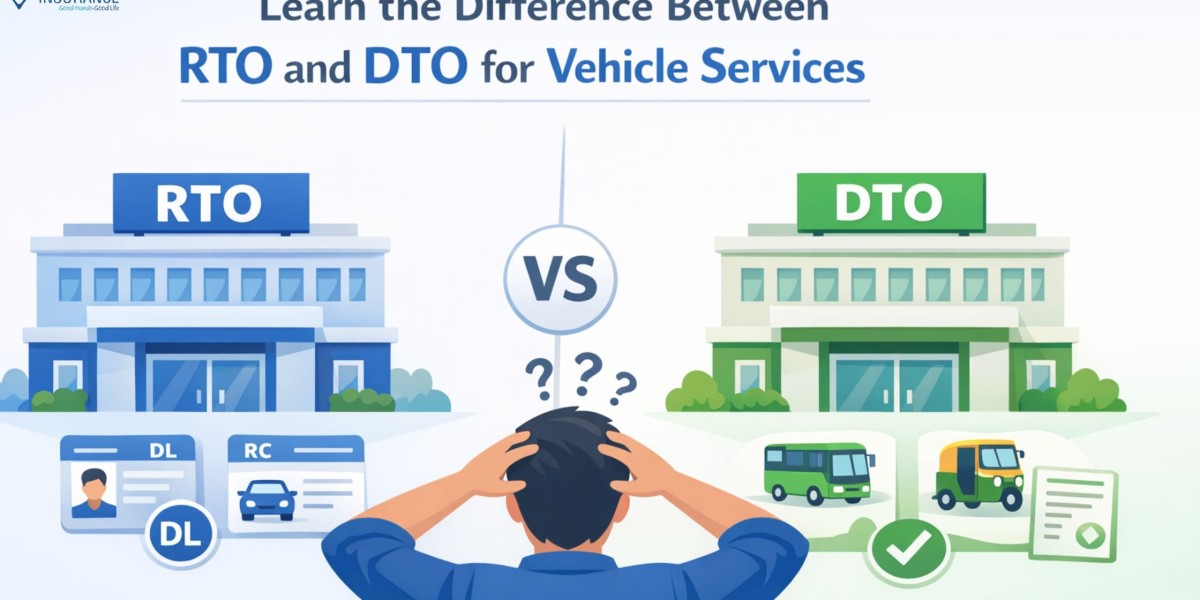

When it comes to vehicle-related services in India, understanding the roles of RTO (Regional Transport Office) and DTO (District Transport Office) is essential. Many vehicle owners often get confused about these two entities, thinking they perform the same functions. However, both RTO and DTO have distinct responsibilities in managing vehicle registrations, issuing driving licenses, collecting road taxes, and ensuring compliance with transportation laws. Knowing the Difference Between RTO and DTO, can save you time, help you avoid unnecessary visits, and streamline your vehicle-related procedures.
What is RTO?
The Regional Transport Office (RTO) is a government body functioning under the state transport department. It operates at a regional or city level and is responsible for regulating all matters related to vehicle registration, taxation, and licensing in its jurisdiction. RTO offices ensure that vehicles on the road meet safety and emission standards while maintaining proper records of ownership and transfers.
Key functions of RTO include:
- Vehicle Registration – Assigning registration numbers and issuing RC (Registration Certificates) for all types of vehicles.
- Driving License Issuance – Conducting driving tests and issuing driving licenses.
- Vehicle Tax Collection – Collecting road taxes and maintaining tax records for vehicles.
- Permit Issuance – Issuing permits for commercial vehicles such as taxis, trucks, and buses.
- Enforcement – Ensuring vehicles comply with traffic rules, pollution norms, and safety standards.
RTO offices are typically located in urban and semi-urban areas where vehicle population is high, allowing for better management of traffic and compliance.
What is DTO?
On the other hand, the District Transport Office (DTO) operates at the district level. It serves as a local branch of the state transport department, focusing primarily on administrative and supervisory tasks within the district. DTOs coordinate with multiple RTOs in their area to streamline transport-related operations.
Key responsibilities of DTO include:
- Supervision of RTOs – Overseeing multiple RTO offices within the district to ensure efficient functioning.
- Policy Implementation – Implementing state and central transport policies at the district level.
- Transport Licensing – Issuing permits and licenses for transport operators and commercial vehicles.
- Vehicle Inspection & Compliance – Monitoring vehicle safety checks, emission standards, and roadworthiness certificates.
- Adjudication & Legal Matters – Handling appeals, fines, and disputes related to transport regulations.
While RTOs focus more on direct services to vehicle owners, DTOs manage the bigger picture, ensuring RTOs comply with government rules and maintain records accurately.
Key Differences Between RTO and DTO
Understanding the distinction between RTO and DTO is crucial for vehicle owners and transport operators. Here’s a detailed comparison:
| Aspect | RTO | DTO |
|---|---|---|
| Jurisdiction | Regional/City level | District level |
| Primary Role | Vehicle registration, driving licenses, permits | Supervision, policy enforcement, compliance |
| Direct Service to Citizens | Yes | Limited (mostly administrative) |
| Permits for Commercial Vehicles | Issuance | Oversight |
| Tax Collection | Yes | No, but monitors RTO collections |
| Legal Authority | Can impose fines for traffic violations | Handles appeals and disputes |
By knowing these differences, vehicle owners can direct their queries to the right office, saving time and reducing bureaucratic hurdles.
Common Services Managed by RTO and DTO
While both offices operate in the transport domain, they cater to different needs of vehicle owners:
- RTO Services: Vehicle registration, RC and RC transfer, Driving License issuance and renewal, International Driving Permit, Road tax collection, Fitness certificate for commercial vehicles, Vehicle insurance verification.
- DTO Services: Monitoring and supervision of RTO operations, Approval of new vehicle routes, District-level transport policy enforcement, Legal disputes and appeals, Coordination between multiple RTO offices.
Vehicle owners often need to visit RTOs for most day-to-day services, while DTOs are approached mainly for complaints, policy clarifications, or district-level approvals.
How Knowing the Difference Helps Vehicle Owners
Understanding whether your service falls under RTO or DTO can save you considerable time. For instance:
- Applying for a new vehicle registration or driving license requires visiting an RTO.
- Filing a complaint about an unfair fine or seeking clarification on transport regulations at the district level is best addressed by the DTO.
- Commercial transport operators seeking multiple vehicle permits may need to coordinate with both RTO and DTO depending on the requirement.
Moreover, knowing which office to approach ensures smoother paperwork, quicker approvals, and fewer delays.
Tips for Dealing with RTO and DTO Efficiently
- Prepare All Documents: Always carry vehicle RC, insurance, ID proof, address proof, and any required forms to avoid multiple visits.
- Use Online Portals: Many RTO functions, like RC applications and driving license renewals, can now be completed online.
- Know the Jurisdiction: Ensure you visit the correct RTO or DTO office for your district or city.
- Follow Guidelines: Adhere strictly to the forms, fees, and application procedures to avoid rejection.
- Track Applications: Use online tracking tools provided by state transport departments to check the status of your applications.
Frequently Asked Questions (FAQs)
Q1. Can I approach DTO for a new vehicle registration?
No. New vehicle registration is handled by the RTO. DTO primarily oversees RTO operations and handles administrative or legal matters.
Q2. Is DTO responsible for issuing driving licenses?
No. Driving licenses are issued by RTOs. DTOs supervise license issuance and ensure compliance with state transport policies.
Q3. Are fitness certificates issued by RTO or DTO?
Fitness certificates for commercial vehicles are issued by RTOs. DTOs oversee the adherence to vehicle safety and emission standards.
Q4. How can I check which office to approach for my vehicle service?
Refer to your state transport department guidelines. For direct services like registration, licenses, permits, and RC transfers, visit RTO. For appeals, policy clarifications, and supervision-related matters, approach DTO.
Q5. Can DTO impose fines for traffic violations?
No. RTO officers handle fines. DTO deals with legal disputes and appeals related to transport violations.
Conclusion
Understanding the difference between RTO and DTO is vital for every vehicle owner in India. While RTOs directly interact with citizens for services like registration, driving licenses, and fitness certificates, DTOs play an essential role in supervision, policy enforcement, and district-level administrative tasks. Being informed helps you save time, avoid confusion, and ensures your vehicle-related tasks are completed efficiently.
Managing your vehicle services can also be simplified with digital tools offered by Square Insurance, providing easy access to RC, insurance, and other essential vehicle documentation from the convenience of your smartphone.
Please Note: - Manage your policies easily with Square Insurance POS Apps on Google Play—online anytime, anywhere.