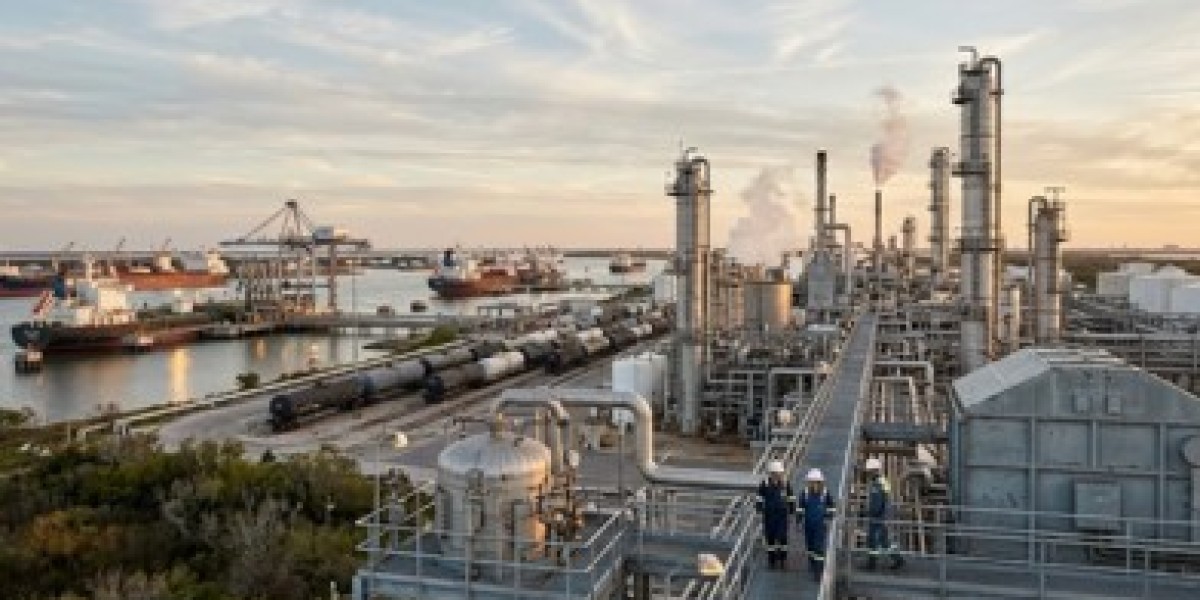

The Chloromethane Price Trend across global markets has remained largely stable with slight regional softness observed in late 2025, driven by moderate downstream demand and balanced supply conditions. Chloromethane, a key intermediate used in refrigerants, pharmaceuticals, and silicones, experienced subdued consumption after peak seasonal demand, particularly in Asia. Supply levels remained adequate across major production hubs, while feedstock stability—primarily methanol—helped maintain production cost equilibrium. Overall, the global chloromethane market trend indicates a stable-to-range-bound environment, with limited volatility due to controlled inventories and cautious purchasing behavior.
Market Snapshot
Market Snapshot
- Market Direction: Stable to Slightly Bearish
- Primary Demand Sector: Refrigerants and Pharmaceuticals
- Key Feedstock: Methanol
- Major Supply Region: Asia Pacific (China, South Korea)
- Short-Term Outlook: Stable
Key Drivers Affecting Chloromethane Prices
The chloromethane supply demand analysis reveals several critical pricing determinants:
- Feedstock Price Stability:
Methanol prices remained relatively stable, supporting consistent production costs. - Downstream Industry Demand:
Demand from refrigerants and pharmaceuticals significantly influences consumption patterns. - Inventory Management:
Buyers relying on existing stock reduced spot market activity. - Production Rates:
Stable operating rates across major manufacturing hubs ensured sufficient supply. - Export Demand Trends:
Weak export demand from global markets limited price growth.
Why Prices Increased or Decreased Recently
The Chloromethane Price Trend in Q4 2025 showed a stable-to-soft movement across key regions.
- In Asia, prices declined slightly due to sluggish demand from refrigerant and pharmaceutical sectors after peak seasonal consumption. Buyers refrained from new purchases and relied on existing inventories.
- In Europe, prices remained stable as supply was sufficient and demand remained moderate.
- In North America, prices stayed flat due to controlled production levels and adequate inventory availability.
Key contributing factors include:
- Absence of major refinery outages or plant shutdowns
- Adequate supply across regions
- Subdued export demand
- Stable inventory levels limiting urgency in procurement
Overall, prices softened slightly in Asia while remaining stable in Western markets due to balanced fundamentals.
Real Global Events Affecting the Market
Several macroeconomic and industry-specific developments influenced the global chloromethane market trend:
- Post-Seasonal Demand Decline:
Reduced demand after peak summer impacted refrigerant consumption globally. - Global Economic Uncertainty:
Cautious purchasing behavior in Europe due to economic volatility affected demand. - Stable Methanol Markets:
Lack of volatility in methanol prices prevented cost-driven price fluctuations. - Petrochemical Industry Stability:
No major disruptions or expansions significantly altering supply dynamics. - Trade Flow Normalization:
Smooth logistics and shipping conditions reduced supply chain disruptions.
Regional Market Analysis
North America
The North American chloromethane market remained stable:
- Controlled production levels ensured supply-demand balance
- Moderate demand from downstream industries
- Weak export demand limited price growth
Asia Pacific
Asia Pacific exhibited a range-bound to slightly bearish trend:
- Declining demand post-peak season
- Buyers relying on inventory rather than new purchases
- Stable production maintaining adequate supply
Europe
The European market maintained a stable pricing environment:
- Adequate supply with no production disruptions
- Moderate demand levels
- Cautious buyer sentiment due to economic conditions
Middle East & Africa
The region showed stable-to-growing dynamics:
- Competitive supply from petrochemical hubs
- Gradual increase in industrial demand
- Export-oriented market structure
Industry Expert Insight
Industry analysts indicate that the chloromethane market is currently experiencing equilibrium due to stable feedstock costs and moderate downstream demand, with price movement largely dependent on recovery in refrigerant and pharmaceutical sectors.
Market Outlook
Short-Term Outlook
The chloromethane price forecast suggests:
- Stable pricing in the near term
- Limited volatility due to balanced supply-demand conditions
- Continued cautious purchasing behavior
Medium-Term Outlook
The chloromethane market outlook indicates potential stabilization with slight upward movement:
- Demand recovery from refrigerants and pharmaceuticals
- Expansion in petrochemical production capacity
- Possible feedstock price fluctuations impacting costs
- Gradual improvement in global economic conditions
FAQs
What affects Chloromethane prices?
Chloromethane prices are influenced by methanol feedstock costs, downstream demand, supply levels, and global trade conditions.
Why did Chloromethane prices remain stable recently?
Prices remained stable due to balanced supply-demand conditions and lack of major production disruptions.
What industries use Chloromethane?
Chloromethane is used in refrigerants, pharmaceuticals, silicones, and chemical intermediates.
Which region produces the most Chloromethane?
Asia Pacific, particularly China, is the leading producer of chloromethane globally.
What is the future outlook for Chloromethane prices?
The outlook is stable, with potential upward movement if demand from key industries improves.