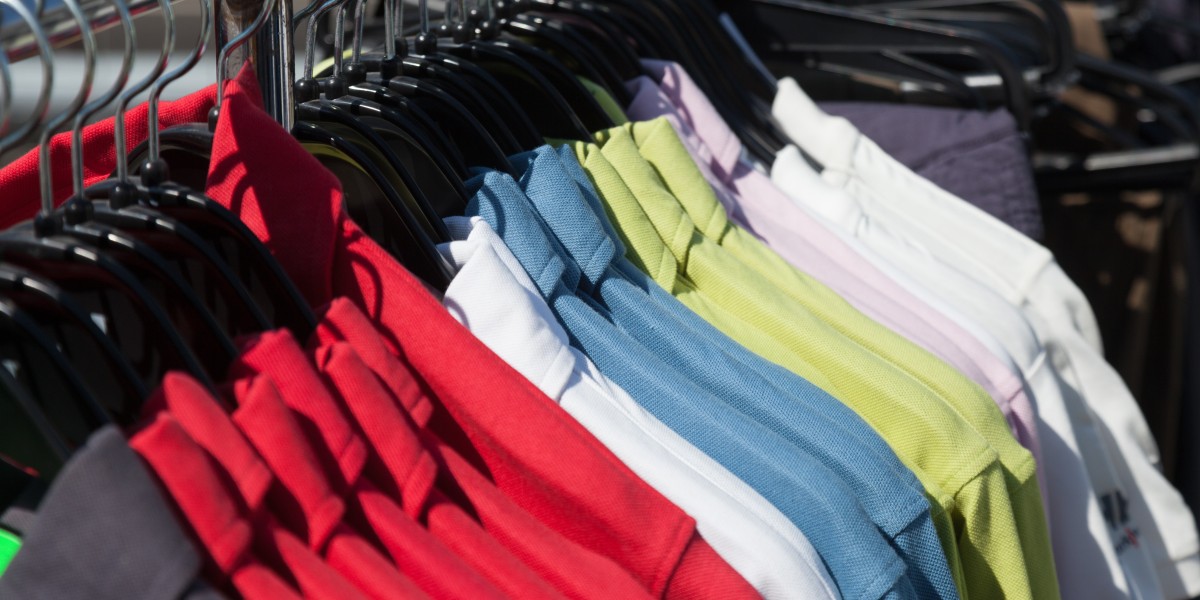

In the fast-evolving world of fashion, the humble t-shirt has undergone a massive structural transformation. As we move through 2026, the term "wholesale t-shirts" no longer refers to thin, disposable undershirts sold in bulk. Instead, the industry has pivoted toward "Luxury Basics" and "Streetwear Blanks."
For retailers, screen printers, and e-commerce entrepreneurs, understanding this shift is the difference between a thriving brand and a failing one. This guide explores why Heavyweight (240+ GSM) fabrics, boxy fits, and tech-integrated sourcing are the new pillars of the wholesale industry.
1. The Death of the "Thin" Tee: Understanding GSM in 2026
For decades, the standard for wholesale was the 140-150 GSM (Grams per Square Meter) t-shirt. It was cheap, lightweight, and easy to produce. However, 2026 marks the official end of this era for premium brands.
Why Weight Matters
Modern consumers equate weight with quality. A Heavyweight T-Shirt (typically 240 GSM to 300 GSM) provides a "structured" look. It doesn't cling to the body; instead, it holds its own shape, creating that coveted architectural silhouette seen in high-end streetwear brands like Fear of God or Yeezy.
Durability and Longevity
In an economy focused on "Cost Per Wear," heavyweight cotton lasts significantly longer. It withstands more wash cycles without thinning out or developing holes, making it a sustainable choice by default because the consumer doesn't need to replace it every few months.
2. The "Boxy & Oversized" Silhouette: A Wholesale Requirement
If you are sourcing custom polo shirts in 2026, the cut is just as important as the fabric. The "Slim Fit" has been replaced by the "Urban Boxy Fit."
Drop Shoulders: The seam sits lower on the arm, providing a relaxed, effortless vibe.
Wide Neck Ribbing: A 1-inch or thicker neck rib (often with Lycra for shape retention) is now a signature of a high-quality wholesale blank.
Side Seams vs. Tubular: While tubular shirts (no side seams) were once the standard for efficiency, 2026 brands prefer side-seamed construction because it allows for a more tailored, premium fit that doesn't twist after washing.
3. Technical Specifications: Combed Cotton and Open-End Yarn
Wholesale buyers must look beyond the "100% Cotton" label. In 2026, the type of yarn determines the printing success.
Combed and Ring-Spun Cotton
This remains the gold standard. The combing process removes short fibers and impurities, resulting in a super-smooth surface. For DTG (Direct-to-Garment) printers, this is essential to prevent "pilling" and ensure a crisp image.
The Rise of "Dry-Hand" Textures
Interestingly, 2026 has seen a surge in demand for "Open-End" yarn which gives a slightly rougher, "vintage" feel. This is particularly popular in the streetwear niche where a rugged, 90s aesthetic is desired.
4. Decoration-Ready: How Blanks Facilitate Art
Wholesale t-shirts in 2026 are engineered specifically for modern decoration techniques.
Screen Printing: Heavyweight fabrics can handle thick Puff Ink and high-density prints without the fabric puckering.
Embroidery: With 240+ GSM fabric, you can execute complex, high-stitch-count embroidery designs (like large back pieces) without the need for heavy stabilizers that make the garment uncomfortable.
Re-labeling: Most premium wholesale suppliers now offer "Tear-away labels" or "Label-free" necks, allowing startups to easily brand the shirts as their own.
5. Sourcing Intelligence: The Role of AI and Data
In 2026, smart wholesale buying is driven by data. Retailers are no longer guessing which colors will sell.
Predictive Analytics
Wholesale distributors are now using AI to predict color trends 6 months in advance. While "Black" and "White" remain the top sellers, 2026 is seeing a massive trend in Aged Washes (Acid wash, Mineral wash) and Earth Tones (Mocha, Slate, Sand).
Inventory Management
The "Just-in-Time" (JIT) manufacturing model has perfected wholesale sourcing. Brands can now order smaller "test" batches of trendy heavyweight blanks and scale up instantly through automated cloud-based inventory systems.
6. The Economics of Premium Wholesale
Many new businesses fear the higher price point of heavyweight blanks. However, the math favors the premium model:
Higher Perceived Value: A $5 basic tee sells for $15. A $12 heavyweight tee can easily retail for $45-$60.
Lower Marketing Costs: High-quality products generate word-of-mouth. When a customer loves the "feel" of a shirt, they become a repeat buyer.
Reduced Returns: Structural integrity means fewer complaints about "shrinkage" or "thinning," which are the leading causes of returns in the apparel industry.
7. Global Sourcing Hubs: Where to Look in 2026
While China remains a giant, other regions have specialized in high-end wholesale t-shirts:
Pakistan & India: Leaders in high-GSM combed cotton and organic blends.
Portugal: Known for "Luxury Jersey" fabrics and high-end streetwear production.
USA (Los Angeles): The hub for the "Made in USA" oversized aesthetic, focusing on heavy open-end cotton.
8. Conclusion: Choosing Your Canvas
The wholesale t-shirt is the canvas of the modern fashion era. As we have seen in 2026, the market is moving away from quantity and toward substance. Whether you are a custom print shop or a global streetwear label, your choice of wholesale blank is the most important branding decision you will make.
By focusing on Heavyweight fabrics, Boxy silhouettes, and Technical cotton quality, you aren't just selling a garment you are selling a piece of the future of fashion.