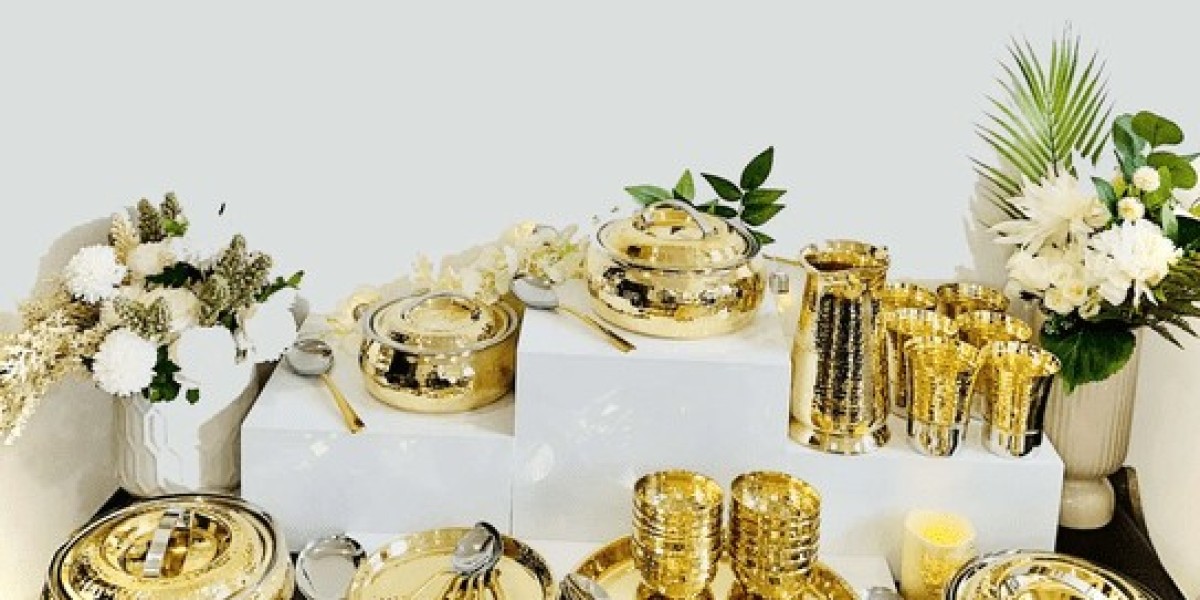

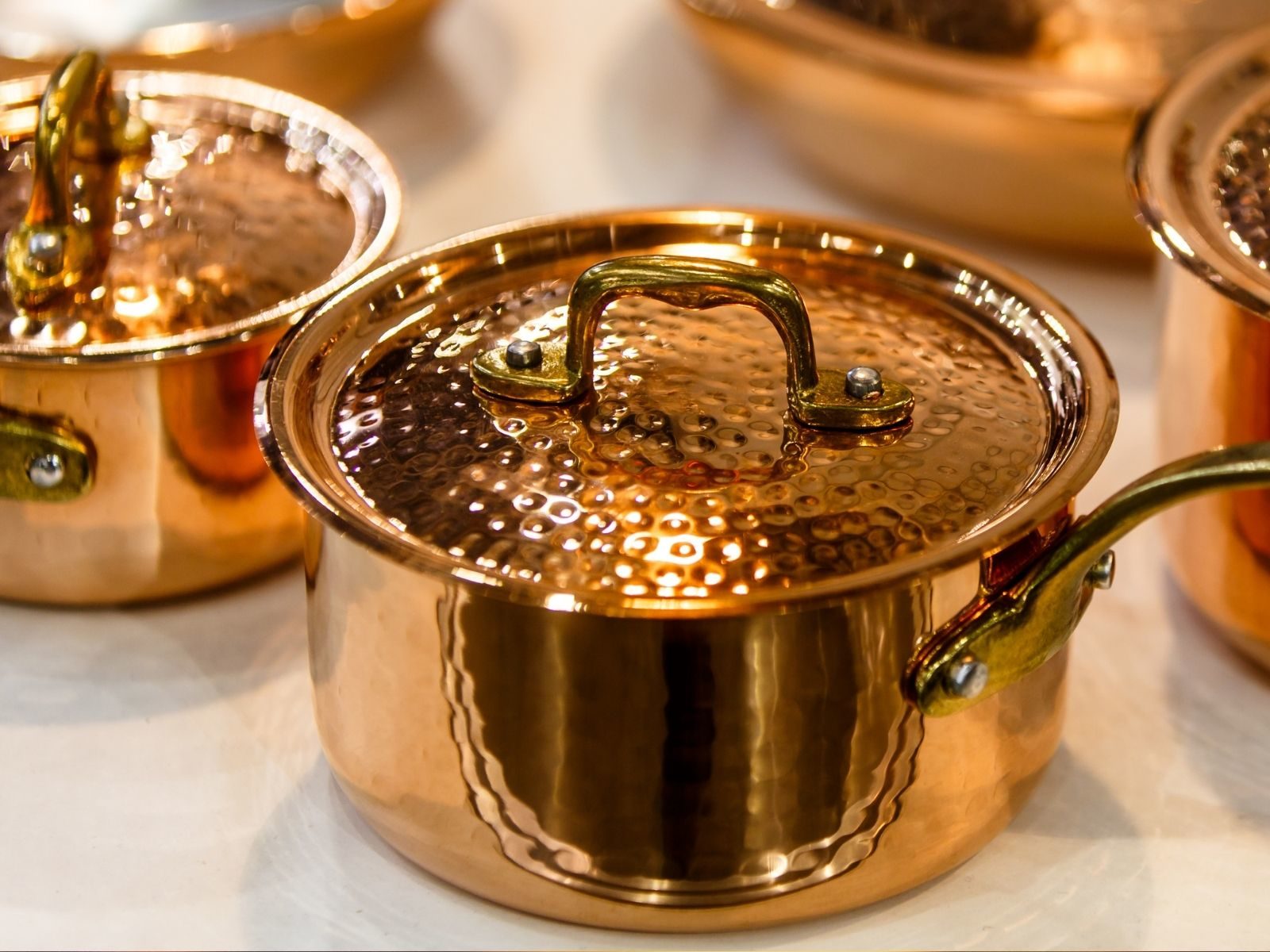
We’ve all been there. You’re visiting your grandmother’s house, and the aroma of a slow-cooked curry fills the air. But before you can dig in, she hands you a ladle made of gleaming, warm-toned metal. “Eat from this,” she says with a knowing nod. “It’s good for your health.”
For centuries, brass utensils have been a staple in traditional kitchens, particularly in South Asian and Middle Eastern cultures. But in our modern world of non-stick Teflon and stainless steel, we have to ask the burning question: are the health benefits of brass utensils fact or fiction?
If you’ve been scrolling through Instagram, you’ve likely seen the resurgence of these vintage-looking vessels. Wellness influencers swear by them, while scientists urge caution. So, let’s separate the desi grandma wisdom from the hard science. Grab a cup of chai (maybe not in a brass cup just yet) and let’s dive in.
The Case for Brass: What the Proponents Say
Brass is an alloy, that is made up of copper and zinc. In Ayurveda, the ancient Indian system of medicine, storing water in a brass vessel (known as tamra jal) and cooking in brass utensils is considered highly therapeutic. Here are the top claimed benefits:
1. Boosts Immunity and Digestion
The theory here is simple: when you cook or store food in brass, microscopic particles of copper and zinc leach into the food. Copper is a known essential mineral that plays a vital role in maintaining the nervous system and immunity. It also possesses potent antimicrobial, antioxidant, and anti-inflammatory properties. Many users report that switching to brass helped them with bloating and indigestion.
2. Natural Antibacterial Properties
Before we had fancy water purifiers, our ancestors stored water in brass and copper vessels. Research actually backs this up. Copper is toxic to bacteria, viruses, and fungi. When water is stored in a brass vessel for 8 to 24 hours, the metal ions create an oligodynamic effect—essentially a natural purification process that kills harmful microbes.
3. Alkaline Balance
Some holistic health practitioners argue that brass helps balance the body’s pH levels. Since modern diets tend to be highly acidic (thanks to sugar and processed foods), drinking water stored in brass is believed to help bring the body back to a more alkaline state, reducing inflammation.
The Flip Side: Why Science Says "Pump the Brakes"
While the above sounds amazing, we can’t ignore the elephant in the room—or rather, the potential toxicity in the pot.
Brass is not inert. If you’ve ever seen a brass utensil turn green or black, you’ve witnessed a chemical reaction. Here is where the "fiction" part of the story comes in.
1. The Acid Problem
Brass reacts violently with acidic foods. If you are cooking a tangy tomato-based curry, a citrusy lemon rice, or even a tamarind-based soup in a brass pan, the acid accelerates the leaching of metals. While you need trace amounts of copper, too much copper can lead to copper toxicity. Symptoms include nausea, vomiting, and in severe long-term cases, liver damage.
2. The Zinc Factor
Brass contains zinc. While zinc is also essential, the leaching of zinc can cause a metallic taste in food and, in excess, can interfere with copper absorption in the body. It’s a delicate balancing act.
3. The "Tinning" Factor
In traditional brass cookware, the inside of the vessel was often lined with tin. Tin is a non-toxic, inert metal that prevents the brass from coming into direct contact with the food. However, many modern "brass" utensils sold today are unlined. If you buy a cheap, shiny brass pot from a random seller and cook curry in it, you are essentially marinating your dinner in a metal alloy that was never meant to handle that level of acidity.
So, How Do You Use Brass Safely?
Does this mean you should throw out all those beautiful brass heirlooms? Absolutely not. It just means we need to use them the right way. If you want to harness the benefits without the risks, follow these golden rules:
- Don’t cook acidic foods in it. Save your brass for dry sautés, grains, or for heating ghee. Use stainless steel or cast iron for tomatoes and citrus.
- Use it for water storage. This is arguably the safest and most effective way to get the benefits. Fill a brass vessel with water and leave it overnight. Drink water the first thing you do in the morning. The water will have absorbed a safe, trace amount of copper ions, providing antimicrobial benefits without the risk of over-exposure.
- Look for a lining. If you want to cook wet dishes, ensure the brass utensil is kalai (tinned) on the inside. This traditional tin coating prevents the brass from reacting with the food.
- Maintenance is key. Don’t let food sit in brass utensils for hours after cooking. Wash them immediately with mild soap (avoid harsh chemicals or lemon, as they strip the patina and react with the metal).
The Verdict: Fact or Fiction?
So, is it fact or fiction?
It’s a mix of both. The intent behind the tradition is fact. Brass does possess incredible antimicrobial properties, and using it mindfully can add trace minerals to your diet that modern cookware lacks.
However, the fiction lies in the idea that you can treat brass like modern non-stick cookware. You cannot. It requires care, knowledge, and a specific culinary application. If you use it incorrectly (especially with acidic foods), the "health benefit" quickly turns into a health risk.
Bringing Tradition to Your Table
If you are intrigued by the idea of adding this ancient wisdom to your modern kitchen, the most important step is sourcing. In a market flooded with cheap, imported alloys that claim to be "pure brass" but are actually mixed with lead or other toxic metals, you cannot afford to compromise on quality. Read our blog - How To Choose Long-Lasting Brass Utensils
You need a source that understands the heritage of these utensils and respects the science behind them.
If you are looking to invest in authentic pieces that honor tradition while ensuring safety, I highly recommend checking out Copper Brazier. They have a super collection that spans from elegant water storage vessels (lotas) to stunning tinned cookware that you can actually cook with safely.
What sets them apart is their commitment to authenticity. When you buy from them, you aren’t just buying a decorative piece; you are buying real, 100% pure copper and brass products that are crafted with integrity. Whether you are looking for that perfect water pitcher to start your morning ritual or a brass kadhai for your family recipes, you can trust that their products are genuine.
In a world where we are constantly searching for ways to detox our lives and reconnect with nature, sometimes the answer isn’t a new supplement—it’s looking back at the wisdom of our ancestors and equipping ourselves with the right tools



