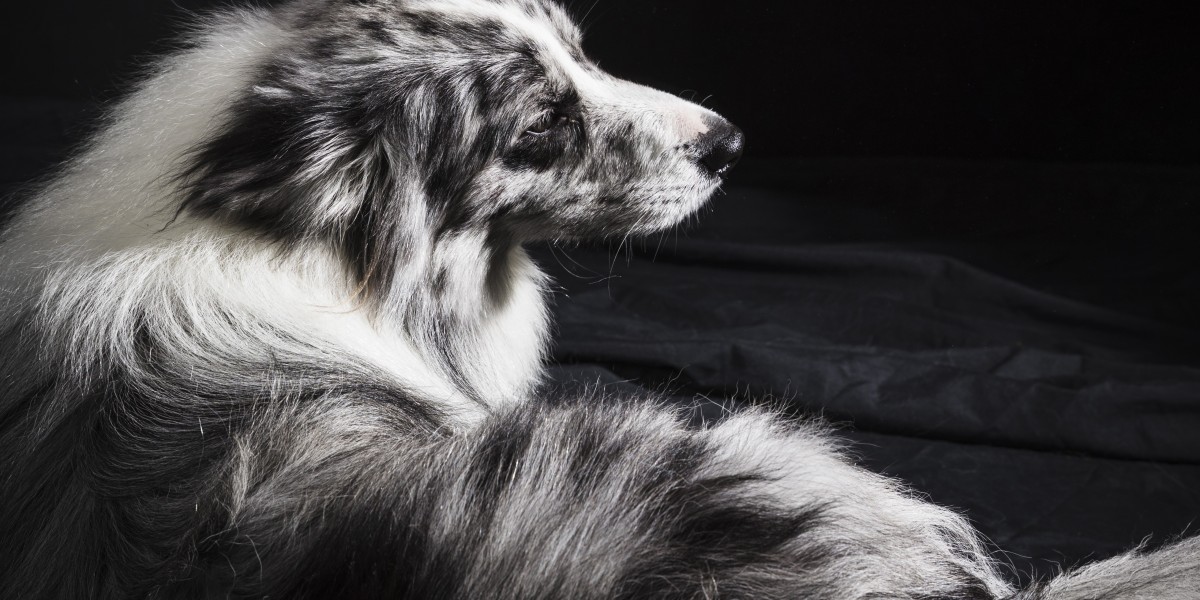

As dogs age, they depend on us even more for comfort, care, and reassurance. It can be concerning to wake up in the middle of the night and notice your older dog panting heavily or struggling to relax. Many pet owners find themselves wondering, why is my senior dog panting at night, especially when it seems to happen suddenly.
Panting is a normal behavior that helps dogs regulate their body temperature. However, when it becomes frequent during nighttime particularly in senior dogs it may indicate an underlying issue that needs attention. Understanding why is my senior dog panting at night can help you provide the support and care your pet needs for a more restful sleep.
Understanding Normal vs. Concerning Panting
Before identifying potential causes, it’s important to recognize the difference between normal and abnormal panting.
Normal panting is typically:
Light and steady
Seen after exercise or excitement
Common in warm temperatures
Abnormal panting, especially in older dogs, may be:
Loud, deep, or excessive
Paired with restlessness, whining, or lethargy
Occurring even in a calm and cool environment
Becoming more frequent over time
If you frequently ask yourself, why is my senior dog panting at night, it may be a sign that something deeper is affecting your pet’s health.
Medical Reasons Behind Nighttime Panting
When considering why is my senior dog panting at night, medical conditions are often the primary cause. Senior dogs are more vulnerable to health issues that can lead to discomfort and breathing changes.
1. Heart and Breathing Conditions
Heart disease is a common issue in aging dogs. When the heart cannot pump efficiently, fluid may build up in the lungs, making breathing more difficult especially when lying down. This can result in nighttime panting, coughing, or restlessness.
Respiratory problems such as bronchitis or airway issues can also contribute to these symptoms.
2. Pain or Physical Discomfort
Chronic pain is one of the most overlooked answers to why is my senior dog panting at night. Conditions like arthritis can make it difficult for your dog to get comfortable while resting.
Other sources of pain, including dental issues or internal discomfort, may also lead to panting as a stress response. At night, when everything is quiet, these discomforts can feel more intense.
3. Cognitive Dysfunction Syndrome
Cognitive Dysfunction Syndrome (CDS), often compared to dementia in humans, is another possible reason behind why is my senior dog panting at night. Dogs with CDS may feel confused, anxious, or disoriented, particularly during nighttime hours.
Common signs include:
Pacing or wandering
Restlessness
Changes in sleep patterns
Increased anxiety
4. Kidney Disease and Organ Issues
As dogs age, their organs may not function as effectively. Kidney disease, liver problems, or hormonal imbalances can cause toxin buildup, leading to discomfort, nausea, and panting.
These conditions often make dogs feel uneasy, especially at night when they are trying to rest.
5. Cancer
In older dogs, cancer can sometimes be a hidden cause of discomfort and panting. Tumors may cause internal pain or interfere with breathing, leading to increased panting, especially during rest.
6. Medication Side Effects
Certain medications prescribed to senior dogs can lead to increased panting. If you recently started a new medication and noticed changes, it’s important to consult your veterinarian.
Non-Medical Causes of Nighttime Panting
While health conditions are common reasons, there are also non-medical explanations for why is my senior dog panting at night.
1. Temperature and Environment
Older dogs may struggle more with temperature regulation. A room that feels comfortable to you might be too warm for your pet.
Make sure your dog’s sleeping area is:
Cool and well-ventilated
Free from heavy bedding
Comfortable and breathable
2. Anxiety and Stress
Anxiety is another possible answer to why is my senior dog panting at night. Changes in routine, loud noises, or even loneliness can trigger stress in senior dogs.
Nighttime silence can sometimes make anxious feelings more noticeable, leading to restlessness and panting.
3. Dreams or Disorientation
Dogs can dream just like humans. A bad dream may cause them to wake up suddenly, panting or confused. In older dogs, especially those with cognitive issues, this disorientation can be more frequent.
How to Help Your Senior Dog Sleep Better
If you’re trying to address why is my senior dog panting at night, there are several ways you can improve their comfort and help them rest peacefully.
1. Visit Your Veterinarian
The first and most important step is to consult your vet. A proper diagnosis can identify any underlying health conditions and ensure your dog receives the right treatment.
Early detection can make a significant difference in managing age-related issues.
2. Improve the Sleeping Environment
Keep the room cool and comfortable
Provide an orthopedic bed for joint support
Use soft lighting for dogs with confusion
Reduce noise and disturbances
3. Manage Pain Effectively
If your dog is experiencing pain, your veterinarian may recommend medications, supplements, or therapies to improve comfort. Supporting joint health and maintaining a healthy weight are also important.
4. Reduce Anxiety
To ease stress and confusion:
Maintain a consistent daily routine
Provide gentle exercise during the day
Use calming techniques such as soft music or massage
Consider vet-recommended calming aids
5. Ensure Proper Hydration and Nutrition
Always provide access to fresh water and feed a balanced diet suitable for senior dogs. Proper nutrition supports overall health and can help manage underlying conditions.
6. Schedule Regular Check-Ups
Routine wellness visits are essential for senior dogs. Regular monitoring helps detect issues early and ensures your dog remains comfortable as they age.
When to Seek Emergency Care
Some situations require immediate veterinary attention. Seek help if your dog shows:
Severe or labored breathing
Blue or pale gums
Sudden collapse or weakness
Continuous distress or inability to settle
These signs may indicate a serious medical emergency.
Final Thoughts
If you’ve been asking yourself, why is my senior dog panting at night, it’s important to remember that this behavior often has an underlying cause. Whether it’s related to health, discomfort, or environmental factors, identifying the reason is key to helping your dog feel better.
With proper care, regular veterinary support, and a comfortable environment, you can greatly improve your senior dog’s quality of life and ensure they rest more peacefully through the night.