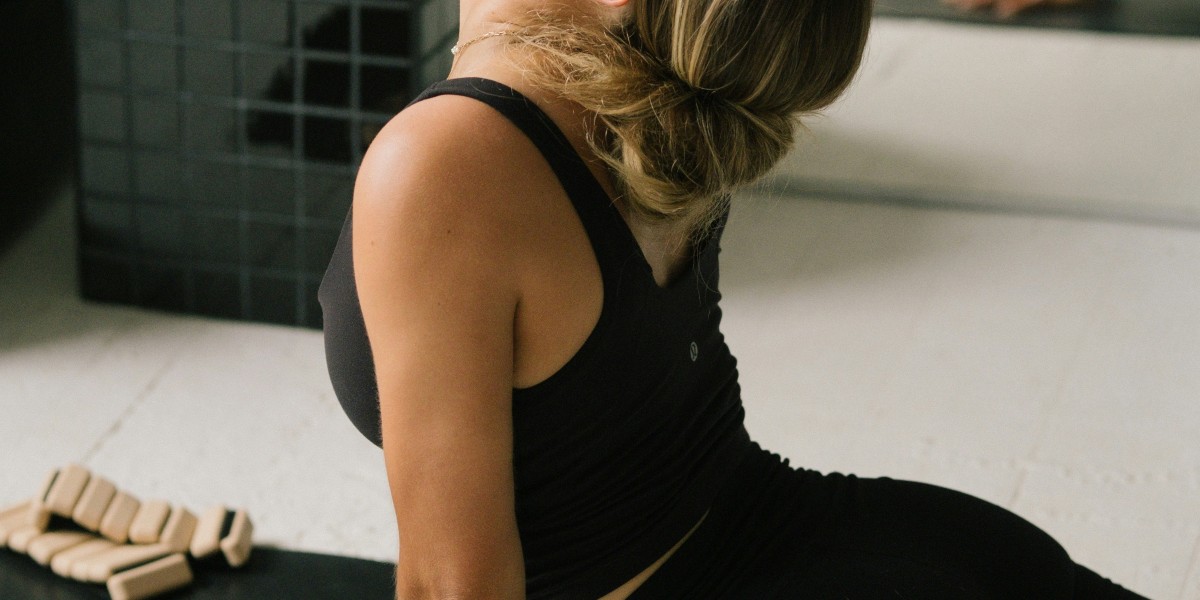

Yoga has evolved into many styles, but two of the most popular and widely practiced forms today are Ashtanga Yoga and Vinyasa Flow. While they share common roots and principles, they differ significantly in structure, intensity, and teaching approach. Understanding the differences between Ashtanga Yoga vs Vinyasa Flow can help you choose the style that best suits your goals, lifestyle, and personality.
What is Ashtanga Yoga?
Ashtanga Yoga is a traditional and highly structured style of yoga that follows a fixed sequence of postures. It is based on the teachings of the eight limbs of yoga and emphasizes discipline, consistency, and progression. Practitioners perform the same series of poses in the same order every time, allowing them to gradually build strength, flexibility, and focus.
This method includes different levels or series, such as the Primary Series (Yoga Chikitsa) and Intermediate Series, which practitioners move through as they advance. The repetition in Ashtanga Yoga helps deepen awareness and refine each posture over time.
Ashtanga is often physically demanding and requires dedication, making it ideal for those who prefer routine, structure, and a challenging practice.
What is Vinyasa Flow Yoga?
Vinyasa Flow Yoga is a dynamic and creative style of yoga that links breath with movement. The word “Vinyasa” means “to place in a special way,” referring to the intentional sequencing of poses. Unlike Ashtanga, Vinyasa does not follow a fixed sequence, and each class can be completely different.
In Vinyasa Flow, instructors design sequences based on themes, energy levels, or specific goals, making the practice more flexible and adaptable. The continuous flow of movement creates a rhythmic and almost dance-like experience, helping practitioners stay engaged and present.
This style is suitable for a wide range of practitioners, from beginners to advanced students, as it can be modified to suit different levels.
Key Differences Between Ashtanga Yoga and Vinyasa Flow
1. Structure and Sequence
The most significant difference between Ashtanga Yoga and Vinyasa Flow lies in their structure. Ashtanga follows a strict and predefined sequence of poses that remains the same in every class. This repetition allows practitioners to track progress and build discipline.
In contrast, Vinyasa Flow is flexible and creative. Each class is unique, with sequences designed by the instructor. This variation keeps the practice fresh and engaging.
2. Repetition vs Creativity
Ashtanga Yoga emphasizes repetition. Practicing the same sequence repeatedly helps develop mastery, consistency, and internal awareness. It is ideal for those who enjoy routine and measurable progress.
Vinyasa Flow, on the other hand, encourages creativity. Teachers can experiment with different poses, transitions, and themes, making every session a new experience.
3. Intensity and Physical Demand
Ashtanga Yoga is generally more physically demanding. It involves a rigorous and continuous sequence that builds strength, stamina, and endurance. It is often referred to as a “powerful” or intense style of yoga.
Vinyasa Flow can vary in intensity. Some classes may be gentle and slow-paced, while others can be fast and challenging. This flexibility makes Vinyasa suitable for a broader audience.
4. Teaching Style
In Ashtanga Yoga, classes are often conducted in a Mysore-style format, where students practice independently at their own pace with guidance from the teacher. This approach encourages self-discipline and personal growth.
In Vinyasa Flow, classes are typically fully guided by an instructor. The teacher leads the sequence, cues the breath, and often incorporates music to create a more engaging atmosphere.
5. Pace and Rhythm
Ashtanga Yoga follows a steady and consistent pace. Each movement is synchronized with the breath in a predictable rhythm, creating a meditative flow.
Vinyasa Flow has a more varied pace. Depending on the class, it can be slow and mindful or fast and energetic. This variation adds excitement and diversity to the practice.
6. Learning Experience
In Ashtanga Yoga, the repetition of sequences allows practitioners to memorize poses and focus on improving alignment and technique over time. It fosters discipline and deep concentration.
In Vinyasa Flow, the constantly changing sequences require adaptability and awareness. Practitioners stay mentally engaged as they move through new patterns and transitions in each class.
Similarities Between Ashtanga Yoga and Vinyasa Flow
Despite their differences, Ashtanga Yoga and Vinyasa Flow share several similarities. Both styles link breath with movement, creating a flowing and dynamic practice. They also focus on building strength, flexibility, and mindfulness.
Additionally, Vinyasa Flow is actually derived from Ashtanga Yoga principles. This is why both styles include common elements such as sun salutations and breath-based transitions.
Benefits of Ashtanga Yoga
Ashtanga Yoga offers numerous benefits for both the body and mind. It helps build physical strength, improve flexibility, and enhance endurance. The repetitive nature of the practice also promotes discipline and mental focus.
Because of its structured approach, Ashtanga Yoga is ideal for individuals who prefer consistency and a clear progression path. It also supports deep internal awareness and meditation through movement.
Benefits of Vinyasa Flow Yoga
Vinyasa Flow Yoga provides a more flexible and creative approach to practice. It improves cardiovascular fitness, coordination, and overall body awareness. The flowing nature of the sequences helps reduce stress and promotes relaxation.
Vinyasa is especially beneficial for those who enjoy variety and creativity in their workouts. It allows practitioners to explore different styles and adapt their practice to their mood and energy levels.
Which One Should You Choose?
Choosing between Ashtanga Yoga and Vinyasa Flow depends on your personal preferences and goals.
If you prefer structure, discipline, and a consistent routine, Ashtanga Yoga may be the right choice for you. It is ideal for those who enjoy repetition and want to track their progress over time.
On the other hand, if you enjoy variety, creativity, and a more flexible approach, Vinyasa Flow might be a better fit. It is perfect for those who like exploring new sequences and adapting their practice to different needs.
Final Thoughts
The comparison between Ashtanga Yoga vs Vinyasa Flow highlights two unique approaches to yoga, each offering its own benefits and experiences. While Ashtanga emphasizes discipline and structure, Vinyasa celebrates creativity and flow.
Both styles are powerful in their own way and can support physical health, mental clarity, and emotional well-being. Ultimately, the best choice is the one that aligns with your lifestyle and keeps you motivated to practice consistently.
Whether you choose the structured path of Ashtanga or the dynamic rhythm of Vinyasa Flow, both can lead you toward a deeper connection with your body, breath, and inner self.