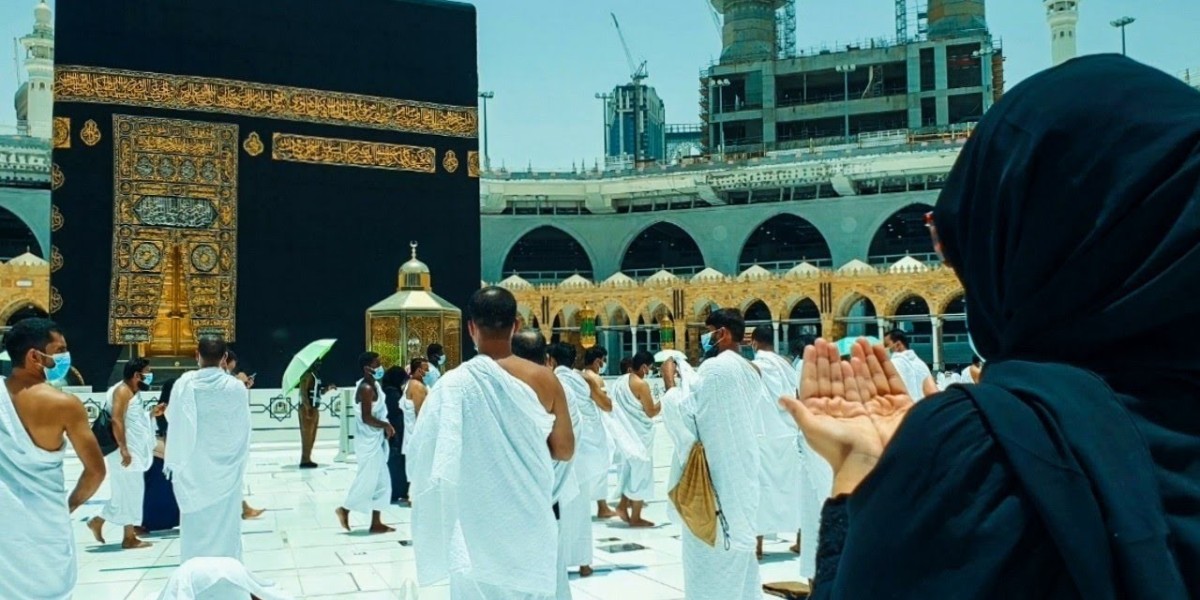

The Ministry of Hajj and Umrah plays a crucial role in regulating, supervising, and approving all aspects of Hajj and Umrah operations in Saudi Arabia. Its responsibilities ensure that pilgrims have a safe, organized, and spiritually fulfilling journey. The ministry’s approval processes are central to maintaining high standards across travel agencies, service providers, and digital platforms catering to pilgrims.
Understanding the Ministry’s Approval Authority
The ministry serves as the primary authority in approving all organizations involved in Hajj and Umrah operations. This includes travel companies, hospitality services, and transport operators. Before any organization can legally serve pilgrims, it must receive formal approval from the ministry. This process ensures that only licensed, reliable, and compliant entities can provide services.
Approval is not only about legal compliance but also about quality assurance. The ministry evaluates the operational readiness, safety measures, and service quality offered by agencies before granting approval. This protects pilgrims from substandard services and ensures adherence to Saudi Arabia’s regulations.
Approval Process for Pilgrim Services
The approval process begins with an application from a company or agency seeking to provide affordable and reliable Hajj and Umrah packages. The ministry assesses several factors, including organizational infrastructure, staffing, financial stability, and customer service capabilities. Agencies must demonstrate the ability to manage pilgrims efficiently and ethically.
The ministry also reviews digital platforms offering Hajj and Umrah solutions. With the increasing use of online portals and mobile apps for booking, the ministry ensures these platforms comply with security, data protection, and user-experience standards. This protects pilgrims from fraud and enhances overall service reliability.
Role in Approving Travel Itineraries
A key responsibility of the ministry is the approval of travel itineraries. Every plan that involves accommodation, transport, and religious activities must be vetted. The ministry ensures that itineraries are feasible, safe, and in line with the religious requirements of Hajj and Umrah rituals.
This process also includes the approval of hotels, transportation services, and local guides. By regulating these aspects, the ministry guarantees that pilgrims receive an organized experience, minimizing logistical challenges and maximizing comfort during their spiritual journey.
Ensuring Compliance with Health and Safety Regulations
The Ministry of Hajj and Umrah has strict protocols regarding health and safety for pilgrims. All approved agencies must follow guidelines related to sanitation, emergency response, and crowd management. The ministry frequently audits these services to ensure ongoing compliance.
During peak seasons, such as Ramadan or Hajj, the ministry monitors approved agencies closely to prevent overcrowding and to enforce safety measures. This ensures a smooth and secure pilgrimage experience, reducing risks associated with mass gatherings.
Licensing and Registration of Agencies
Obtaining ministry approval also requires agencies to secure proper licensing. This licensing process involves background checks, verification of business documents, and compliance with local laws. Approved agencies receive official registration, which is often mandatory to operate legally in the Hajj and Umrah sector.
Registered agencies can then offer pilgrims tailored services, including complete travel solutions covering accommodation, transportation, and guided visits. Licensing provides credibility and reassures pilgrims that they are working with trustworthy and competent providers.
Oversight of Pilgrimage Services Quality
Approval from the ministry is not a one-time process. Agencies must maintain continuous compliance with ministry standards. Regular inspections, performance reviews, and feedback mechanisms ensure service quality remains high.
The ministry also handles complaints and grievances from pilgrims, which further enforces accountability among approved agencies. By maintaining strict oversight, the ministry ensures that pilgrims receive consistent and reliable service throughout their journey.
Digital Transformation and E-Approval Systems
The Ministry of Hajj and Umrah has embraced digital transformation to streamline approvals. Online portals now allow agencies to submit applications, track progress, and receive official approvals electronically. This reduces processing time and increases transparency.
The e-approval system also integrates with other government databases, ensuring that approved agencies meet financial, legal, and operational requirements. Digital approvals make it easier for pilgrims to identify officially licensed providers, reducing the risk of unauthorized services.
Promoting Standardization in the Pilgrimage Industry
Through its approval mechanisms, the ministry promotes standardization across the Hajj and Umrah industry. This includes uniform guidelines for accommodation, transport, safety measures, and service fees. Standardization ensures a fair and consistent experience for all pilgrims.
It also encourages agencies to adopt best practices and innovate their services within a regulated framework. By setting high standards, the ministry ensures that pilgrims worldwide receive the quality and reliability expected during one of the most important spiritual journeys of their lives.
Conclusion
The Ministry of Hajj and Umrah plays an indispensable role in approvals that shape the pilgrimage experience. From licensing and itinerary vetting to safety oversight and digital solutions, the ministry ensures that pilgrims receive organized, safe, and high-quality services. Its approval process protects both pilgrims and agencies, fostering trust and efficiency in Hajj and Umrah operations.
By understanding the ministry’s role, pilgrims can confidently choose approved providers, knowing their spiritual journey is supported by robust regulatory frameworks. This ensures that every pilgrimage is not only spiritually enriching but also safe, comfortable, and well-coordinated.