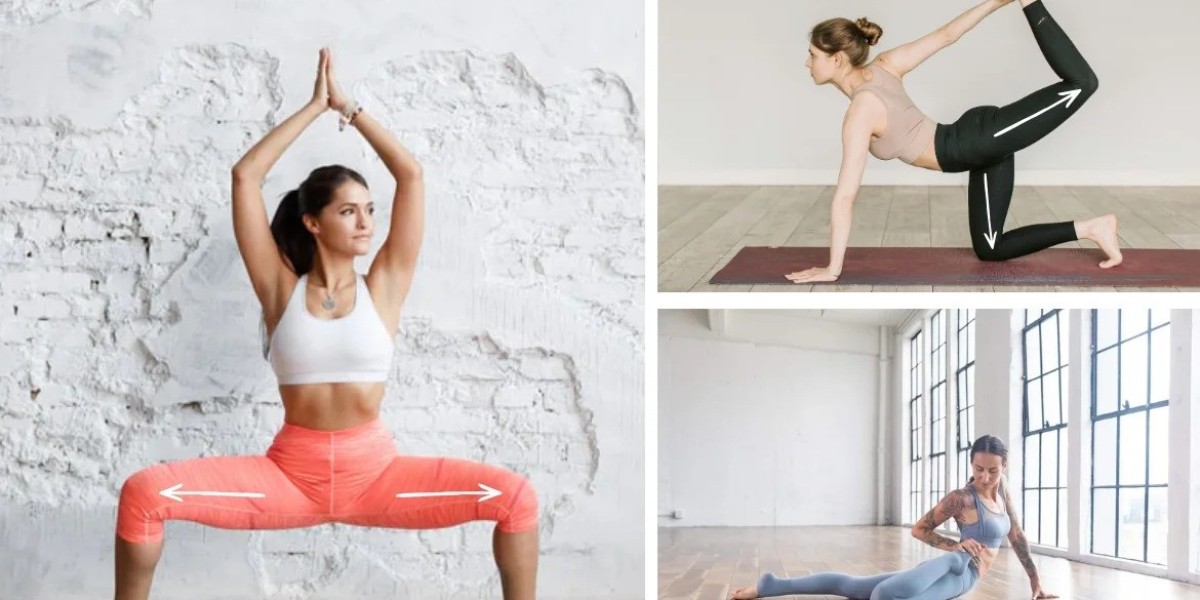

Hip yoga poses are an essential part of a well-rounded yoga practice, offering powerful benefits for both the body and mind. The hips are one of the largest and most important joints in the human body, responsible for supporting movement, stability, and posture. However, due to modern lifestyles that involve long hours of sitting and limited physical activity, the hips often become tight and restricted. This can lead to discomfort, reduced flexibility, and even chronic pain.
Incorporating hip yoga poses into your daily routine can help release tension, improve mobility, and restore balance. In this comprehensive guide, we will explore the importance, benefits, types, techniques, and best practices for practicing hip yoga poses effectively.
Why Hip Yoga Poses Are Important
The hip joint is a ball-and-socket joint that allows for a wide range of motion, including bending, rotating, and stretching. Despite its natural mobility, the hips are prone to stiffness due to inactivity, stress, and poor posture.
Tight hips can cause several issues, including:
Lower back pain
Limited flexibility
Poor posture
Reduced athletic performance
Increased risk of injury
Hip yoga poses target the muscles surrounding the hips, including the hip flexors, glutes, and inner thighs. By stretching and strengthening these muscles, you can improve overall body function and reduce discomfort.
Benefits of Hip Yoga Poses
1. Improved Flexibility
One of the most noticeable benefits of hip yoga poses is increased flexibility. Regular practice helps lengthen tight muscles and expand the range of motion in the hips.
2. Relief from Lower Back Pain
Tight hips often place extra strain on the lower back. Practicing hip yoga poses can relieve this tension and support better spinal alignment.
3. Better Posture
Flexible hips allow the pelvis to align properly, which improves posture and reduces strain on the spine.
4. Enhanced Circulation
Hip yoga poses improve blood flow to the lower body, promoting muscle recovery and joint health.
5. Emotional Release
The hips are believed to store emotional tension. Practicing hip yoga poses can help release stress and promote relaxation.
6. Improved Athletic Performance
Open hips allow for smoother and more efficient movement, which benefits activities like running, dancing, and sports.
Types of Hip Yoga Poses
Hip yoga poses can be categorized based on the muscles they target and the type of movement involved.
External Hip Openers
These poses involve outward rotation of the thighs and stretch the outer hips and glutes.
Examples:
Pigeon Pose
Figure Four Pose
Fire Log Pose
Internal Hip Openers
These involve inward rotation of the thighs and help balance the hip muscles.
Examples:
Eagle Pose
Cow Face Pose
Hip Flexor Stretches
These target the front of the hips, which often become tight from sitting.
Examples:
Low Lunge
Crescent Lunge
Inner Thigh Openers
These focus on the groin and inner thigh muscles.
Examples:
Butterfly Pose
Wide-Legged Forward Fold
Garland Pose
Popular Hip Yoga Poses
1. Butterfly Pose (Baddha Konasana)
This beginner-friendly pose is one of the most effective hip yoga poses for opening the inner thighs.
Benefits:
Improves flexibility
Stimulates abdominal organs
Reduces fatigue
2. Pigeon Pose (Eka Pada Rajakapotasana)
A deeper stretch, Pigeon Pose targets the outer hips and glutes.
Benefits:
Releases deep tension
Improves mobility
Relieves sciatic discomfort
3. Garland Pose (Malasana)
A deep squat that strengthens and stretches the hips.
Benefits:
Opens hips and ankles
Improves digestion
Builds strength
4. Low Lunge (Anjaneyasana)
This pose stretches the hip flexors while strengthening the legs.
Benefits:
Improves balance
Releases tight hips
Enhances flexibility
5. Frog Pose
An advanced pose that deeply stretches the inner thighs and groin.
Benefits:
Increases flexibility
Improves mobility
Encourages emotional release
How to Practice Hip Yoga Poses Safely
While hip yoga poses offer many benefits, practicing them safely is essential.
1. Warm Up Properly
Start with gentle movements to prepare your muscles and joints.
2. Move Slowly
Ease into each pose gradually to avoid strain or injury.
3. Use Props
Yoga blocks, cushions, and straps can help maintain proper alignment and provide support.
4. Focus on Breathing
Deep breathing relaxes the muscles and allows for a deeper stretch.
5. Listen to Your Body
Avoid pushing beyond your limits. A stretch should feel comfortable, not painful.
Common Mistakes to Avoid
When practicing hip yoga poses, beginners often make these mistakes:
Forcing the body into deep stretches
Ignoring alignment
Holding the breath
Skipping warm-up exercises
Comparing progress with others
Avoiding these mistakes will help you build a safe and effective practice.
Creating a Daily Routine
Incorporating hip yoga poses into your daily routine doesn’t require a lot of time. Even a short practice can yield significant benefits.
Sample Routine:
Butterfly Pose – 2 minutes
Low Lunge – 1 minute each side
Pigeon Pose – 1–2 minutes each side
Garland Pose – 1 minute
Wide-Legged Forward Fold – 2 minutes
Finish your practice with relaxation in Savasana.
Who Can Benefit from Hip Yoga Poses?
Hip yoga poses are suitable for a wide range of individuals, including:
Office workers who sit for long hours
Athletes looking to improve performance
Beginners seeking flexibility
Individuals with lower back pain
People dealing with stress and anxiety
Mental and Emotional Benefits
Beyond physical improvements, hip yoga poses have a significant impact on mental and emotional health. These poses encourage mindfulness and relaxation, helping reduce stress and improve overall well-being.
Many practitioners report feeling lighter and more balanced after practicing hip yoga poses. The connection between breath and movement promotes a sense of calm and inner peace.
Tips for Beginners
If you are new to hip yoga poses, keep these tips in mind:
Start with simple poses
Practice regularly
Use props for support
Be patient with your progress
Focus on consistency rather than intensity
Progressing in Your Practice
As you continue practicing hip yoga poses, your flexibility and confidence will improve. Over time, you can explore more advanced poses and deepen your stretches.
However, always remember:
Progress gradually
Maintain proper alignment
Avoid overexertion
Stay mindful of your body
Final Thoughts
Hip yoga poses are a powerful way to improve flexibility, relieve tension, and enhance overall well-being. By incorporating these poses into your daily routine, you can experience better mobility, reduced pain, and improved posture.
Consistency and patience are key. With regular practice, hip yoga poses can transform not only your physical health but also your mental and emotional balance. Embrace the journey, listen to your body, and enjoy the benefits of a more flexible, relaxed, and healthy lifestyle.