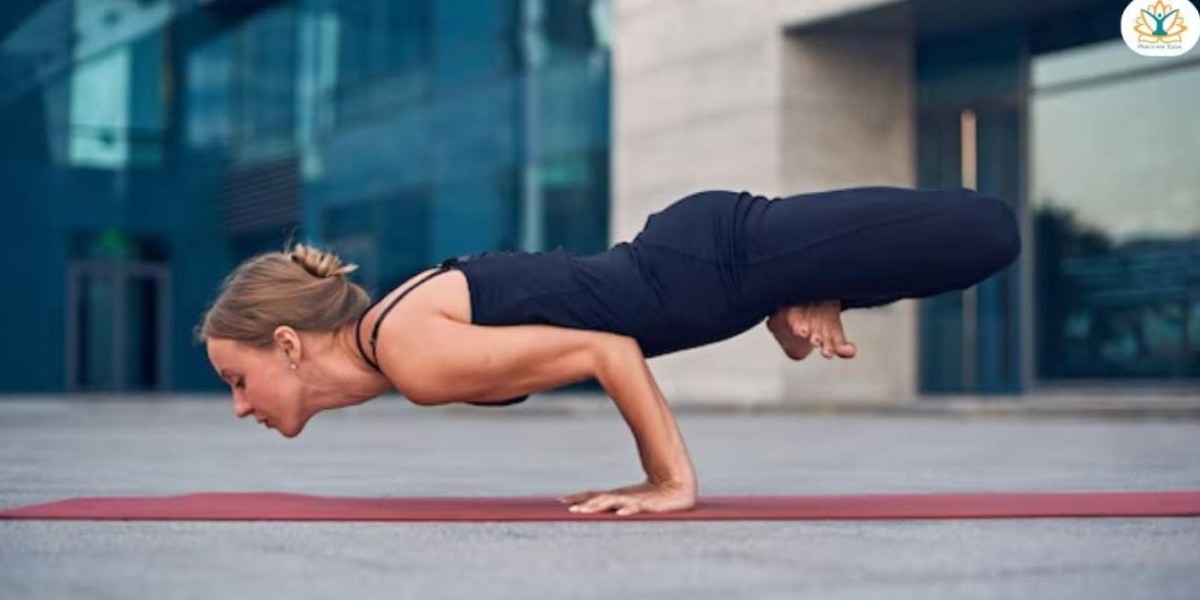

Mayurasana peacock pose is one of the most powerful and visually striking postures in yoga. Known for its ability to build immense upper body strength and improve internal health, this advanced asana holds a special place in traditional yoga practice. The word “Mayurasana” comes from the Sanskrit words mayura (peacock) and asana (pose), symbolizing grace, strength, and vitality. Just like a peacock confidently holds its posture, this pose reflects balance, control, and inner strength.
In this comprehensive guide, we will explore everything about mayurasana peacock pose, including its benefits, step-by-step instructions, precautions, variations, and tips for beginners.
What is Mayurasana Peacock Pose?
Mayurasana peacock pose is an advanced arm-balancing posture where the entire body is held parallel to the ground, supported only by the hands and wrists. The elbows press deeply into the abdomen, creating a unique combination of strength and pressure that activates internal organs and muscles.
This pose requires a strong core, stable wrists, and focused concentration. While it may appear difficult initially, consistent practice and proper technique can help practitioners achieve it over time.
Step-by-Step Guide to Perform Mayurasana Peacock Pose
Practicing mayurasana peacock pose requires patience and proper alignment. Follow these steps carefully:
1. Starting Position
Begin by kneeling on the floor with your knees slightly apart. Place your hands on the ground in front of you with fingers pointing backward toward your body.
2. Elbow Placement
Bend your elbows and bring them close together. Press them firmly into your abdomen, ideally near the navel area.
3. Lean Forward
Slowly shift your body weight forward, bringing your chest toward the floor. Keep your elbows steady and engaged.
4. Extend the Legs
Stretch your legs straight behind you, keeping them together and active. Your toes should remain on the ground initially.
5. Lift the Body
Gradually lift your legs off the floor while balancing your body weight on your hands. Keep your body straight and parallel to the ground.
6. Hold the Pose
Maintain steady breathing and hold the pose for a few seconds or as long as comfortable.
7. Release Gently
Slowly lower your feet back to the ground and return to the starting position.
Benefits of Mayurasana Peacock Pose
The practice of mayurasana peacock pose offers a wide range of physical, mental, and internal health benefits.
1. Improves Digestion
The pressure applied by the elbows on the abdomen stimulates digestive organs, helping to improve digestion and reduce issues like bloating and constipation.
2. Strengthens Upper Body
This pose builds strength in the wrists, arms, shoulders, and chest, making it an excellent posture for overall upper body development.
3. Enhances Core Stability
Balancing the body in this position requires strong abdominal muscles, which helps tone and strengthen the core.
4. Supports Detoxification
Mayurasana peacock pose is believed to help detoxify the body by stimulating the liver and kidneys, promoting better internal function.
5. Improves Balance and Coordination
Holding the body parallel to the ground improves balance, coordination, and body awareness.
6. Boosts Confidence and Focus
Mastering such an advanced posture increases self-confidence and enhances mental concentration.
Common Mistakes to Avoid
While practicing mayurasana peacock pose, beginners often make certain mistakes that can affect performance or lead to injury.
Incorrect elbow placement: If elbows are not properly positioned in the abdomen, balance becomes difficult.
Lack of core engagement: Weak core muscles make it harder to lift and hold the body.
Overloading the wrists: Placing too much pressure without proper alignment can cause wrist discomfort.
Rushing the process: Attempting to lift the body too quickly may lead to imbalance.
Precautions and Contraindications
Mayurasana peacock pose is an advanced posture and should be practiced with caution.
Avoid this pose if you have wrist injuries or severe joint pain.
People with high blood pressure, hernia, or abdominal issues should consult a professional before attempting it.
Pregnant women should not practice this pose.
Always warm up properly before attempting advanced poses.
Beginner Tips for Practicing Mayurasana Peacock Pose
If you are new to this pose, these tips can help you progress safely:
1. Strengthen Your Wrists First
Practice wrist-strengthening exercises to prepare for the weight-bearing nature of the pose.
2. Start with Preparatory Poses
Work on poses like plank, chaturanga, and crow pose to build strength and balance.
3. Use Support
Place a cushion or yoga block under your chest for additional support while learning.
4. Practice with Guidance
Learning under the supervision of a yoga instructor can help ensure proper alignment and safety.
5. Be Patient
Progress gradually and avoid forcing your body into the posture.
Variations of Mayurasana Peacock Pose
To make the practice more accessible or challenging, there are several variations:
1. Hamsasana (Swan Pose)
A beginner-friendly variation where the feet remain on the ground.
2. Padma Mayurasana
An advanced variation where the legs are in a lotus position while balancing.
3. One-Legged Mayurasana
Involves lifting one leg at a time to build strength and balance.
How to Incorporate Mayurasana Peacock Pose into Your Routine
To gain the maximum benefits of mayurasana peacock pose, include it in your regular yoga practice:
Start with a proper warm-up session.
Practice strengthening poses before attempting mayurasana.
Hold the pose for a few seconds initially and gradually increase duration.
Follow it with relaxation poses to release tension.
Spiritual and Mental Aspects of Mayurasana
In traditional yoga philosophy, mayurasana peacock pose is associated with cleansing and purification. It is believed to remove toxins not only from the body but also from the mind. The focus required to maintain the pose helps improve mindfulness and mental clarity.
Practicing this asana regularly can bring a sense of discipline, inner balance, and emotional stability.
Conclusion
Mayurasana peacock pose is a powerful and transformative yoga posture that offers a combination of strength, balance, and internal healing. While it may seem challenging at first, consistent practice, patience, and proper technique can help you master it over time.
From improving digestion and detoxification to enhancing physical strength and mental focus, the benefits of mayurasana peacock pose are truly remarkable. Whether you are an intermediate practitioner or an advanced yogi, incorporating this pose into your routine can elevate your yoga journey and bring a deeper connection between your body and mind.
Take your time, practice safely, and enjoy the process of mastering this incredible pose.