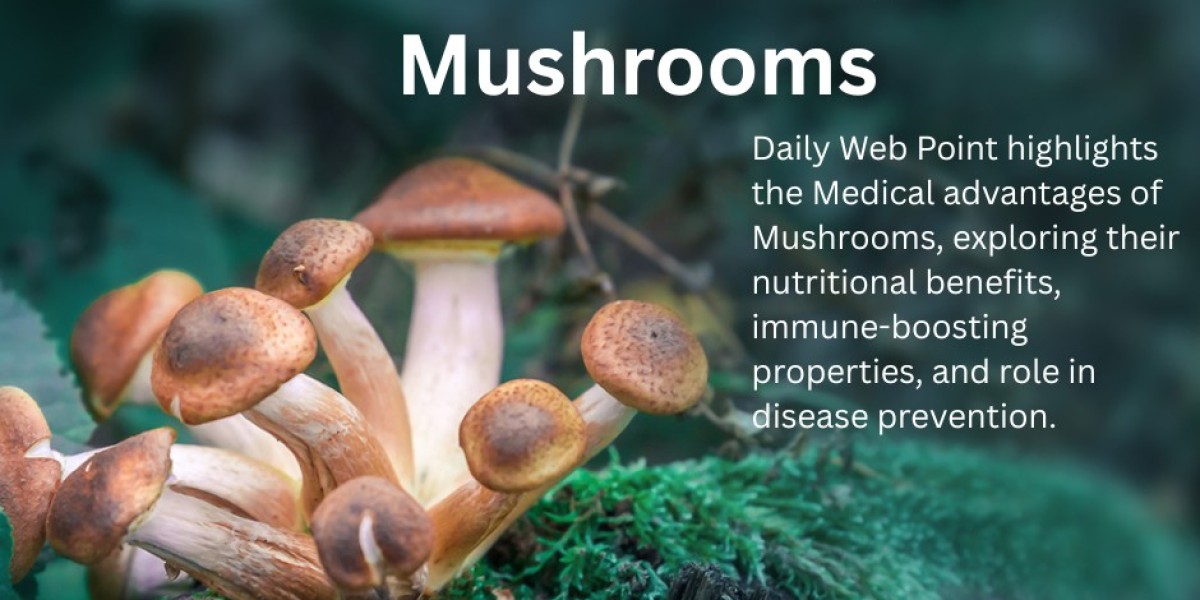

Mushrooms have long been valued not only as culinary ingredients but also as powerful bioactive agents in traditional and modern medicine. In recent years, scientific research has intensified its focus on the Medical advantages of Mushrooms, revealing their role in promoting health, preventing disease, and supporting overall well-being. For readers of Daily Web Point, understanding these benefits through a technical yet accessible lens can help integrate mushrooms into a health-conscious lifestyle.
Nutritional Composition and Bioactive Compounds
Mushrooms are low in calories yet rich in essential nutrients, including B vitamins, selenium, potassium, and dietary fiber. More importantly, they contain biologically active compounds such as beta-glucans, polysaccharides, terpenoids, and phenolic compounds. These elements contribute significantly to their medicinal properties.
Beta-glucans, in particular, are known for their immunomodulatory effects. They enhance the activity of macrophages, natural killer (NK) cells, and other components of the immune system, making mushrooms a valuable addition to functional nutrition.
Immune System Support and Anti-Inflammatory Effects
One of the most studied aspects of mushrooms is their ability to regulate immune responses. Certain varieties like reishi, shiitake, and maitake have demonstrated potent immunostimulatory properties. These effects are primarily attributed to polysaccharides that activate immune signaling pathways.
In addition to immune support, mushrooms exhibit anti-inflammatory properties. Chronic inflammation is a key contributor to diseases such as cardiovascular disorders, diabetes, and autoimmune conditions. Compounds found in mushrooms help reduce inflammatory markers, thereby supporting long-term health.
Antioxidant Activity and Cellular Protection
Oxidative stress plays a crucial role in aging and the development of chronic diseases. Mushrooms are rich in antioxidants such as ergothioneine and glutathione, which protect cells from oxidative damage.
Ergothioneine, a unique antioxidant found in high concentrations in mushrooms, has been linked to reduced risk of neurodegenerative diseases. Regular consumption may contribute to improved cognitive health and protection against conditions like Alzheimer’s and Parkinson’s disease.
Role in Cancer Prevention and Adjunct Therapy
Emerging research suggests that mushrooms may play a supportive role in cancer prevention and treatment. Certain compounds, including lentinan from shiitake mushrooms, have shown anti-tumor activity in clinical studies.
These compounds may inhibit tumor growth, enhance immune response against cancer cells, and improve the efficacy of conventional treatments such as chemotherapy. While mushrooms are not a replacement for medical treatment, they can serve as a complementary dietary component in oncology care.
Cardiovascular Health and Metabolic Benefits
Mushrooms contribute to heart health by helping regulate cholesterol levels and blood pressure. Their fiber content supports lipid metabolism, while potassium aids in maintaining healthy blood pressure.
Additionally, mushrooms have a low glycemic index, making them suitable for individuals managing diabetes. They help regulate blood sugar levels and improve insulin sensitivity, which is essential for metabolic health.
Gut Health and Microbiome Support
The prebiotic properties of mushrooms promote the growth of beneficial gut bacteria. A healthy gut microbiome is essential for digestion, immune function, and even mental health.
Polysaccharides found in mushrooms act as fermentable fibers, supporting microbial diversity and enhancing gut barrier function. This contributes to improved nutrient absorption and reduced risk of gastrointestinal disorders.
Conclusion
The growing body of scientific evidence highlights the Medical advantages of Mushrooms as both preventive and therapeutic agents. From immune enhancement and antioxidant protection to cardiovascular and metabolic support, mushrooms offer a wide range of health benefits.
For readers of Daily Web Point, incorporating mushrooms into a balanced diet is a practical and evidence-based approach to improving overall health. As research continues to evolve, mushrooms are likely to play an increasingly important role in functional medicine and nutrition science.
By understanding their mechanisms and benefits, individuals can make informed dietary choices that align with long-term wellness goals.