
Introduction
Road safety has become a major concern in India as the number of two-wheeler users continues to rise rapidly. Wearing a helmet is not just a precaution-it is a legal necessity that can save lives in case of accidents.
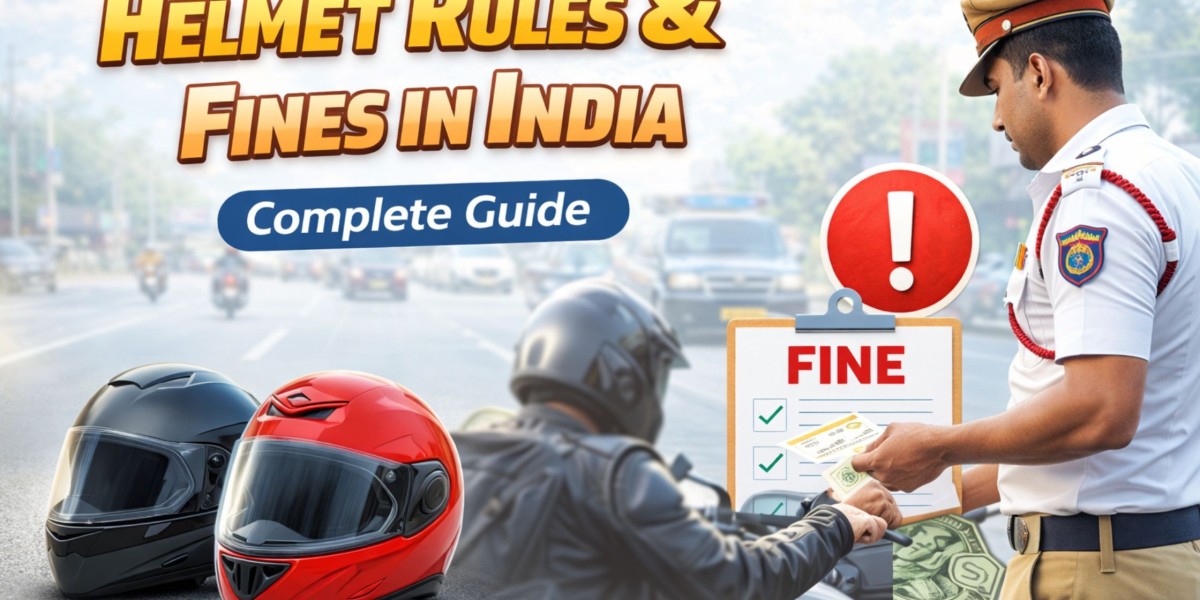
Helmet Rules In India are designed to ensure rider safety, reduce fatalities, and enforce discipline on roads. Understanding these rules and penalties can help you stay compliant and avoid heavy fines.
Why Helmet Rules Are Important in India
India records one of the highest numbers of road accidents globally, with two-wheeler riders being the most vulnerable. Helmets act as the first line of defense during collisions and significantly reduce the risk of head injuries.
The government has made helmet usage mandatory under the Motor Vehicles Act to promote safety. These rules are not just about avoiding fines—they are about protecting lives.
Latest Helmet Rules in India (2026 Update)
1. Mandatory Helmet for Rider and Pillion
As per updated regulations, both the rider and the pillion passenger must wear helmets. Earlier, pillion riders were often exempt, but now enforcement has become stricter across most states.
2. BIS-Approved Helmets Only
Helmets must be certified by the Bureau of Indian Standards (BIS). Non-certified or fake helmets are not allowed and can attract penalties.
3. Proper Strap Fastening Required
Simply wearing a helmet is not enough. The chin strap must be properly fastened; otherwise, it is considered a violation.
4. Helmet for Children Above 4 Years
Children above the age of four must wear helmets while riding as pillion passengers. Special child helmets are available for better safety.
5. Limit on Helmet Weight
The government has set a standard weight limit (around 1.2 kg) to ensure comfort and usability, especially in Indian weather conditions.
Helmet Fine in India (State-Wise Variation)
Under the amended Motor Vehicles Act, fines for not wearing a helmet have increased significantly.
- Fine Amount: ₹1,000
- Driving License Suspension: Up to 3 months (in some cases)
However, the exact enforcement may vary slightly depending on the state. Cities like Delhi, Mumbai, Bengaluru, and Jaipur have strict implementation with digital challans.
Common Helmet Rule Violations
Many riders unknowingly break helmet rules. Here are some common mistakes:
- Wearing half helmets or non-ISI helmets
- Not fastening the strap properly
- Pillion rider not wearing a helmet
- Using damaged or expired helmets
- Carrying helmet but not wearing it
Avoiding these mistakes can help you stay safe and avoid penalties.
Types of Helmets Allowed in India
1. Full Face Helmet
Provides maximum protection by covering the entire head and face. Ideal for highways and long rides.
2. Open Face Helmet
Covers the head but leaves the face exposed. Offers moderate protection and is commonly used in cities.
3. Modular Helmet
A hybrid design that can switch between full face and open face modes.
Choosing the right helmet plays a crucial role in safety.
How to Choose the Right Helmet
Buying a helmet is not just about style—it’s about safety and comfort. Here are some tips:
- Always check for ISI/BIS certification
- Ensure a snug and comfortable fit
- Look for good ventilation
- Prefer helmets with clear visors
- Avoid second-hand or damaged helmets
A good helmet can be the difference between life and death in an accident.
Impact of Helmet Rules on Insurance Claims
Helmet usage directly impacts bike insurance claims. If a rider is not wearing a helmet during an accident, insurers may:
- Reject the claim partially or fully
- Reduce compensation due to negligence
- Delay claim processing
Insurance companies consider helmet compliance as a key safety factor. Following the rules ensures smoother claim settlements.
Government Initiatives for Helmet Awareness
The Indian government and traffic authorities regularly run awareness campaigns to promote helmet usage. These include:
- Road safety drives in schools and colleges
- Strict traffic enforcement using CCTV cameras
- Digital challan systems
- Social media awareness campaigns
These initiatives aim to create a culture of safety among riders.
Tips to Avoid Helmet Fines
To stay compliant and avoid penalties, follow these simple tips:
- Always wear a certified helmet
- Ensure both rider and pillion are covered
- Fasten the strap properly
- Replace damaged helmets immediately
- Keep updated with local traffic rules
Being proactive can save you money and protect your life
Frequently Asked Questions (FAQs)
1. Is helmet compulsory for pillion riders in India?
Yes, helmet use is mandatory for both rider and pillion passenger in most states.
2. What is the fine for not wearing a helmet in India?
The fine is ₹1,000, and your driving license may also be suspended.
3. Can I wear a half helmet legally?
Only BIS-approved helmets are allowed. Many half helmets do not meet safety standards.
4. Are children required to wear helmets?
Yes, children above 4 years must wear helmets while riding.
5. Does not wearing a helmet affect insurance claims?
Yes, it can lead to claim rejection or reduced compensation.
6. How do I check if my helmet is ISI certified?
Look for the ISI mark on the helmet along with a certification number
Conclusion
Helmet rules in India are not just legal formalities-they are life-saving regulations designed to protect riders and passengers. With stricter enforcement and higher fines, it is crucial for every two-wheeler user to follow these guidelines responsibly.
Staying compliant with helmet laws not only helps you avoid penalties but also ensures smoother insurance claims in case of accidents. Choosing the right insurance partner is equally important, and Square Insurance can help you find the best bike insurance plans that prioritize your safety and financial security.