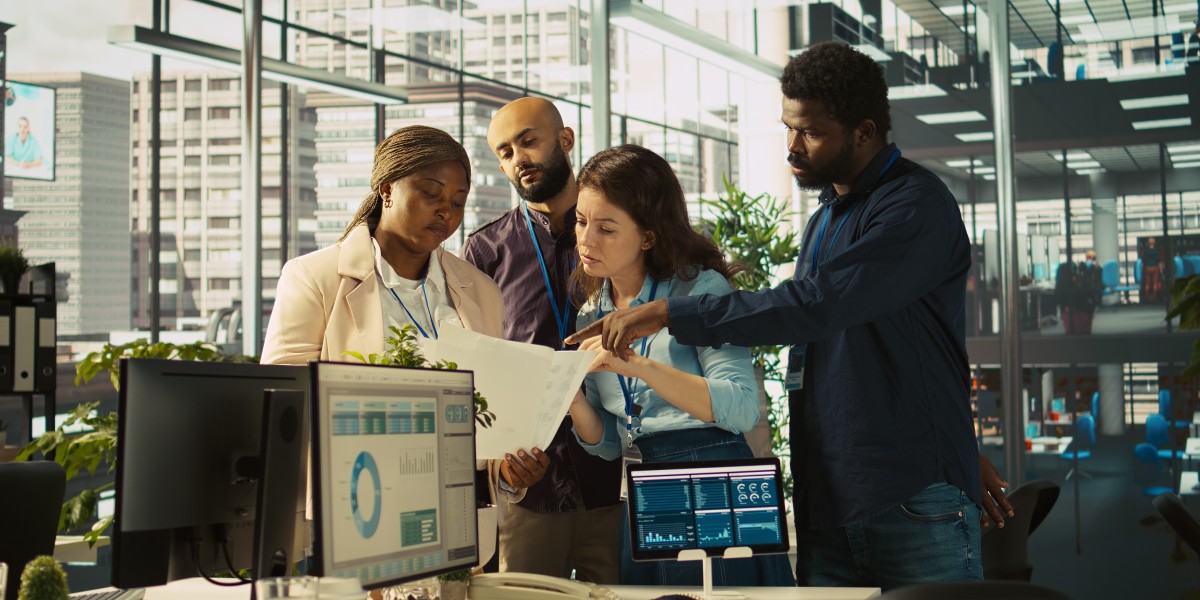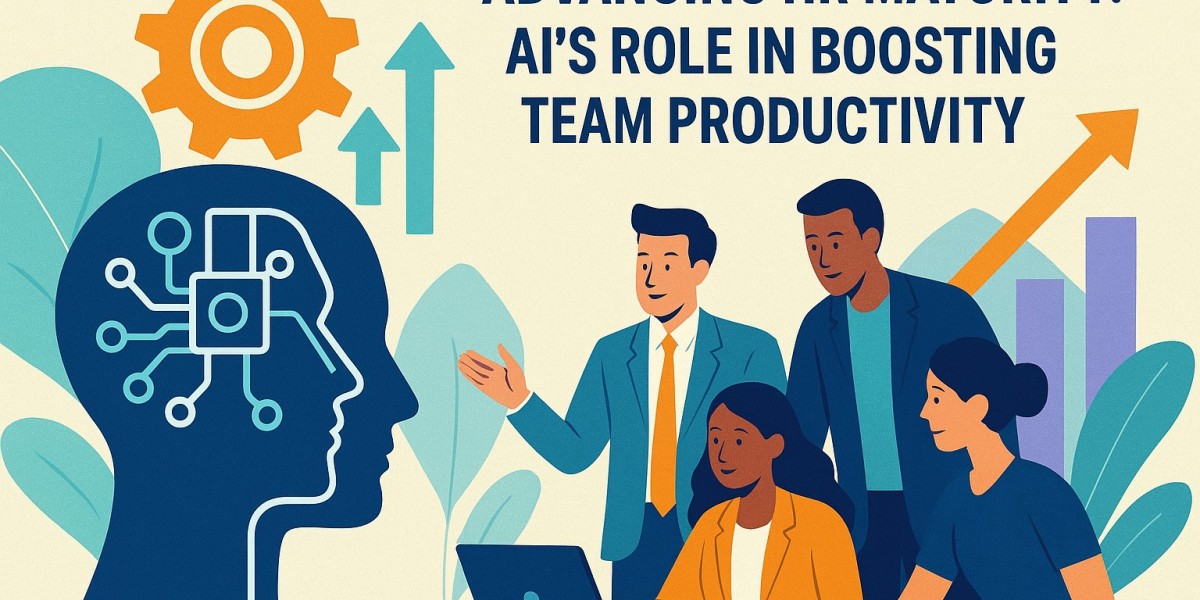

As organizations evolve toward smarter and more adaptive operating models Advancing HR Maturity has become a defining benchmark of long-term competitiveness. The integration of AI across HR functions is accelerating this shift enabling teams to work more intelligently while strengthening data-driven decision-making and workforce alignment.
Table of Contents
Understanding HR Maturity
Why HR Maturity Matters for Modern Teams
The Role of AI in Advancing HR Maturity
Core Foundations for an AI-Enabled HR Function
Steps to Strengthen HR Maturity with AI
Ethical Use and Challenges
Conclusion
1. Understanding HR Maturity
HR maturity reflects how strategically an HR function operates. A mature HR team moves beyond task execution toward influencing culture performance and organizational growth. It demonstrates strong alignment with business goals and uses insights rather than intuition to guide its actions.
2. Why HR Maturity Matters for Modern Teams
Organizations with higher HR maturity typically experience stronger collaboration higher retention and more consistent productivity. As business environments become dynamic HR’s ability to forecast workforce needs support employee growth and build agility becomes crucial.
3. The Role of AI in Advancing HR Maturity
AI empowers HR teams by transforming raw workforce data into actionable intelligence. Through automation of routine tasks and advanced analytics HR can shift attention to human-centric initiatives such as capability building leadership development and strategic planning.
AI also enhances team productivity by analysing workload patterns flagging skill gaps predicting burnout risks and recommending personalized learning pathways.
4. Core Foundations for an AI-Enabled HR Function
A mature HR environment supported by AI typically rests on:
Clear alignment between technology and organizational goals
Strong data governance and transparent practices
Skill development to build AI confidence across HR teams
Integrated HR systems for seamless information flow
A culture that views AI as a partner not a replacement
5. Steps to Strengthen HR Maturity with AI
Organizations can advance maturity by:
Starting with small AI interventions in recruitment learning or workforce planning
Building dashboards that unify people analytics into a single view
Training HR teams in ethical and practical AI use
Establishing clear responsibilities across HR operations
Continuously evaluating AI’s impact on productivity and engagement
6. Ethical Use and Challenges
AI adoption must be thoughtful and employee-centric. Unchecked data use can create distrust and assumptions may lead to biased outcomes. Transparency fairness and governance are essential for maintaining a human-first approach. AI should support decisions never make them in isolation.
For More Info: https://hrtechcube.com/advancing-hr-maturity-ai-intelligence/
Conclusion
Advancing HR Maturity through AI represents a shift toward smarter faster and more integrated workforce management. When AI is adopted responsibly it strengthens employee experience removes operational inefficiencies and empowers HR to deliver strategic value. The future of HR thrives where intelligence systems and human insight work together to elevate team productivity and organizational success.