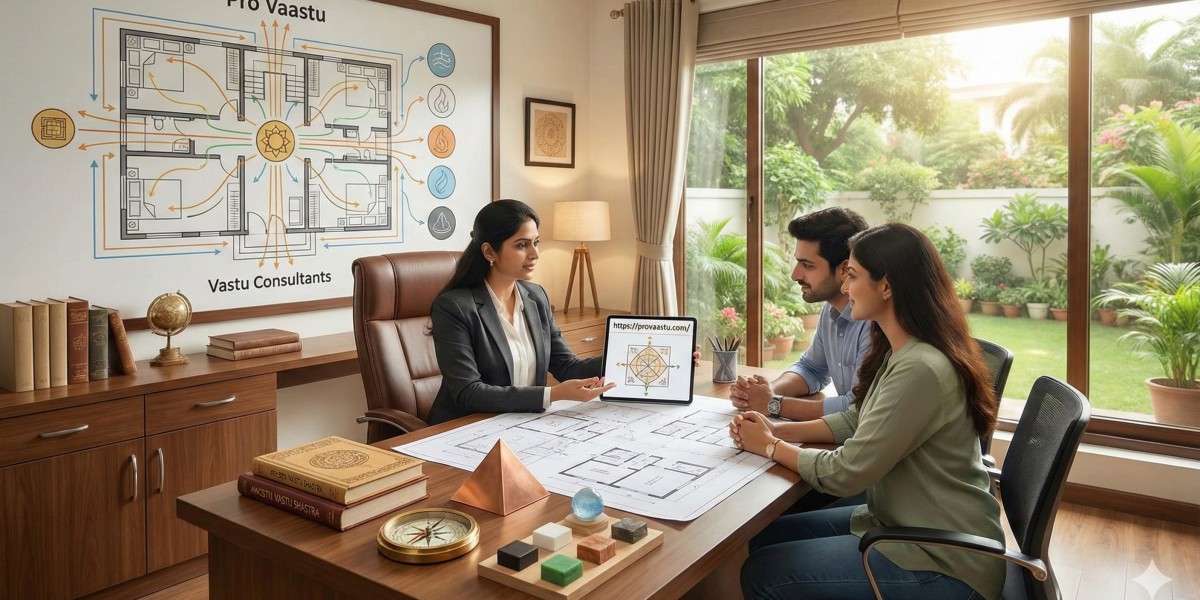

Home planning is not just about walls, rooms, and furniture placement. It is about shaping an environment that supports daily routines, emotional comfort, and long-term well-being. A thoughtfully planned home feels easy to live in, where movement flows naturally and each space serves a clear purpose. When planning is done with care, everyday life becomes smoother, calmer, and more fulfilling.
The Role of Planning in Daily Comfort
Daily comfort is influenced by how effortlessly we move through our homes. Poorly planned layouts often lead to congestion, unnecessary walking, and constant adjustments. Over time, these small inconveniences create stress and fatigue.
Thoughtful home planning considers how people actually live how they wake up, work, relax, and interact. When rooms are positioned logically and circulation paths are clear, daily activities feel lighter and more organized.
How Layout Affects Mental Well-Being
The human mind responds strongly to its surroundings. Cluttered or confusing layouts increase mental load, even when we are not consciously aware of it. On the other hand, organized spaces promote clarity and calmness.
Homes with clearly defined zones for rest, work, and social interaction help the mind switch roles effortlessly. This separation reduces distractions, improves focus, and supports emotional balance throughout the day.
Movement Flow and Energy Balance
Movement flow refers to how easily one can navigate from one area to another. Awkward turns, blocked pathways, or narrow passages disrupt this flow and create subtle irritation.
When a home is planned with smooth transitions, movement feels natural and intuitive. This ease supports patience, reduces frustration, and contributes to a more relaxed household atmosphere. Over time, good flow becomes a silent contributor to overall happiness.
Light, Air, and Spatial Comfort
Natural light and ventilation are essential elements of a comfortable home. Poor planning can block sunlight and restrict airflow, making spaces feel dull or suffocating. This directly affects mood, health, and energy levels.
Thoughtful planning ensures that rooms receive adequate daylight and fresh air. Well-lit and ventilated spaces feel more alive, promote better sleep, and encourage positive daily rhythms.
Privacy and Relationships at Home
A well-planned home balances togetherness with personal space. When privacy is lacking, relationships may feel strained due to constant noise or interruptions. Conversely, too much isolation can reduce connection.
Thoughtful planning places private spaces away from high-activity areas while keeping shared spaces accessible. This balance allows family members to recharge individually and connect meaningfully, strengthening relationships over time.
Planning From the Ground Up
Good home planning begins even before construction starts. The characteristics of the land—its shape, orientation, slope, and surroundings play a crucial role in how the home will function once built. Ignoring these factors can lead to long-term discomfort that is difficult to correct later.
Traditional wisdom such as vastu shastra for land emphasizes understanding the nature of the plot before designing the structure. When land characteristics and home planning work together, the resulting space feels more stable, supportive, and naturally aligned with daily living.
Small Decisions, Lasting Impact
Thoughtful home planning does not always require large budgets or complex designs. Often, it is about making informed decisions—placing rooms purposefully, allowing for natural light, ensuring smooth movement, and respecting privacy needs.
These small yet intentional choices compound over time, shaping how comfortable, calm, and functional a home feels year after year.
Conclusion
Thoughtful home planning quietly improves everyday living in powerful ways. It supports comfort, mental clarity, healthy relationships, and emotional balance without demanding constant attention. By planning spaces with purpose—from the land itself to the smallest room transition—a home becomes more than just a structure. It becomes a supportive environment that enhances daily life, encourages peace, and promotes long-term well-being.