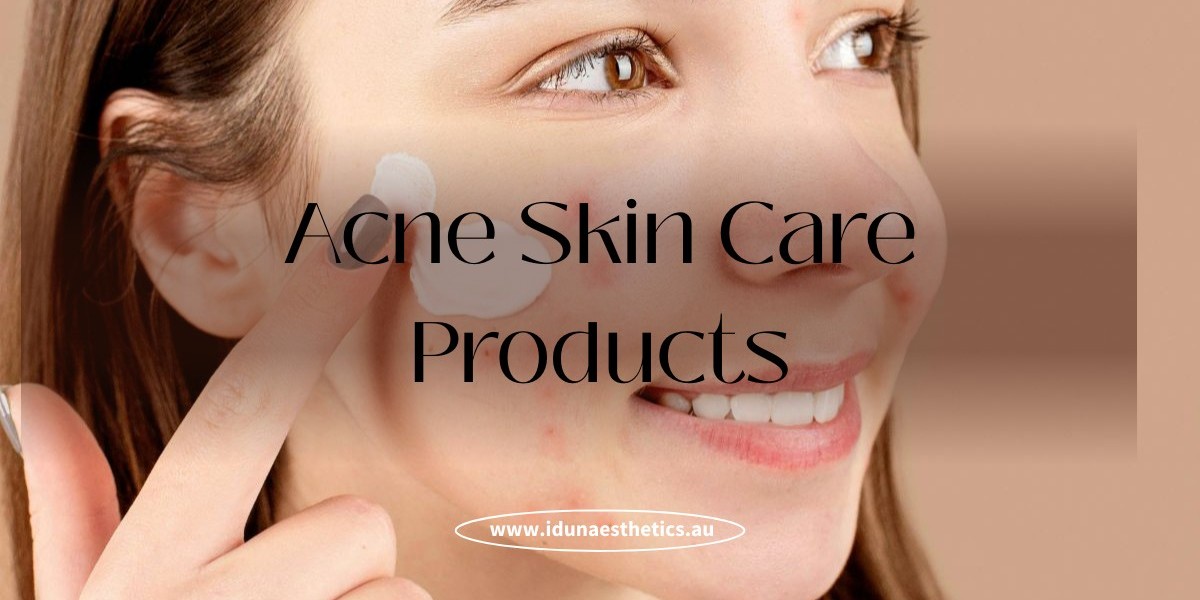

Acne is a common skin concern that affects people of all ages and can impact confidence and overall skin health. Factors such as hormones, lifestyle, stress, and environmental conditions often play a role in triggering breakouts. Choosing the right acne skin care products is essential, as using unsuitable formulations can irritate the skin or make acne worse. Many people struggle with ongoing breakouts simply because their products do not match their skin type. Understanding how to select the right products helps support clearer skin while maintaining balance and long-term skin health.
Understanding Acne and Its Causes
Acne forms when pores get clogged with oil, dead skin cells, and bacteria. It can lead to blackheads, whiteheads, pimples, or deeper cysts. Excess oil production, hormonal changes, stress, and environmental factors such as humidity can all contribute to breakouts. Using unsuitable products can strip the skin or clog pores, making acne more persistent. A targeted approach based on your skin type helps manage breakouts without compromising your skin barrier.
Identify Your Skin Type
Knowing your skin type is essential before choosing any treatment.
- Oily skin often looks shiny and may feel greasy by midday. This skin type is prone to clogged pores and frequent breakouts.
- Dry skin can feel tight, flaky, or rough, yet it can still experience acne when pores become blocked.
- Combination skin usually has an oily T-zone (forehead, nose, and chin) with drier cheeks, requiring balanced care.
- Sensitive skin reacts easily, often showing redness, stinging, or irritation, and needs extra-gentle formulations.
Correctly identifying your skin type helps prevent irritation and improves treatment effectiveness.
Key Ingredients to Look For
When selecting acne skin care products, ingredients matter just as much as brand names. Salicylic acid is widely used to unclog pores and reduce inflammation. Benzoyl peroxide helps control acne-causing bacteria, but should be used carefully to avoid dryness. Niacinamide supports the skin barrier and helps reduce redness. Tea tree oil offers natural antibacterial properties, while hyaluronic acid hydrates without clogging pores. Choosing the right strength and combination of ingredients ensures effective treatment without unnecessary irritation.
Ingredients to Avoid
Some ingredients can worsen acne or cause sensitivity. Harsh alcohols may overly dry the skin, leading to increased oil production. Artificial fragrances can irritate sensitive skin, while heavy oils and comedogenic ingredients may block pores. Overuse of strong exfoliating acids can damage the skin barrier, causing redness and breakouts. Reading labels carefully helps you avoid these common triggers.
Choosing Products by Skin Type
Selecting products for acne based on your skin type leads to better results and fewer side effects. Oily skin gets benefits by using lightweight, oil-free products that help reduce excess shine. Dry skin needs gentle treatments combined with nourishing moisturisers. Combination skin responds well to balanced formulas that address oil without drying the cheeks. Sensitive skin should focus on calming, fragrance-free options.
When choosing skin care products for acne, always prioritise formulations designed specifically for your skin type rather than following trends or recommendations that may not suit your needs.
Building a Simple Acne Skin Care Routine
A consistent routine is more effective than using multiple products at once. Start with a gentle cleanser to remove dirt and excess oil. Follow with a targeted treatment suitable for your skin type. Use a lightweight moisturiser to maintain hydration, even if your skin is oily. Sunscreen is essential, especially in Australia, where UV exposure is high. Using acne skin care products correctly within a simple routine supports healing and prevents further breakouts.
Tips for Better Results
Patch testing new products helps prevent unexpected reactions. Avoid using too many active ingredients, as this can irritate the skin. Consistency is key—most treatments take several weeks to show improvement. If acne continues or becomes severe, seeking advice can help address underlying causes and prevent scarring.
Common Myths About Acne Skin Care
A common myth is that drying out acne clears it faster, when in fact this often triggers more oil production. Another misconception is that natural solutions are always safer, which is not true for all skin types. Using more acne products does not guarantee better results; a simple, well-chosen routine is usually more effective.
Conclusion
Choosing the right acne skin care products is about understanding your skin and responding to its specific needs. By selecting suitable ingredients, avoiding common irritants, and following a consistent routine, you can manage acne more effectively. Clearer skin takes time, patience, and the right approach, but with informed choices and gentle care, long-term improvement is achievable. It is also important to introduce new products gradually and pay attention to how your skin reacts. When in doubt, seeking advice from a skin care professional can help you make safer and more effective choices.