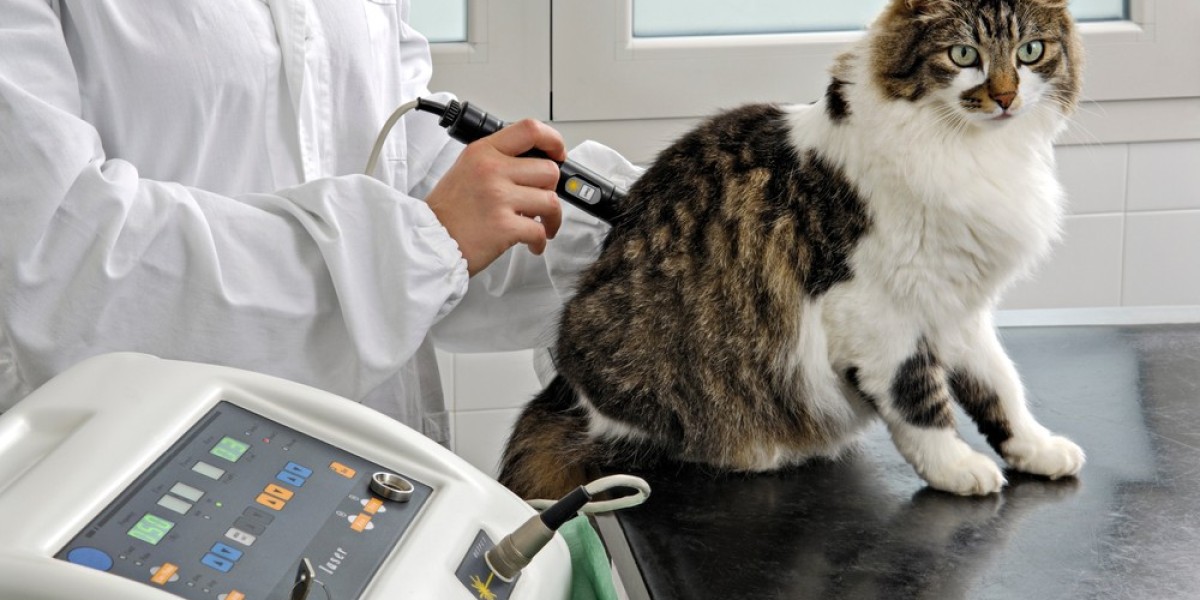

When it comes to spaying your female cat, the method you choose can significantly affect both the surgery and recovery process. Laser spay surgery for cats is an innovative, modern approach that has revolutionized the way we perform spaying procedures. Traditional cat spaying involves using a scalpel, which creates a larger incision and may take a longer time to heal. However, with laser spay surgery, the procedure is more precise, and the recovery time is significantly shorter, benefiting both your cat’s health and your peace of mind. In this article, we’ll explore the benefits of spay laser surgery and how it reduces recovery time, helping your pet get back to their usual self in no time.
What is Laser Spay Surgery for Cats?
Laser spay surgery for cats is a minimally invasive procedure where a laser is used instead of a traditional scalpel to make the incision during the spaying process. The laser uses focused light to cut through tissues, which results in precision, minimal bleeding and less tissue damage compared to traditional methods.
In a typical pet spaying surgery, the ovaries and uterus are removed to prevent unwanted pregnancies and to reduce the risk of certain health problems. The use of a laser allows for a cleaner, quicker incision and promotes faster healing due to its ability to cauterize blood vessels as it cuts, reducing the risk of excessive bleeding and infection.
How Laser Spay Surgery Reduces Recovery Time
Laser spay surgery for cats offers several advantages over the traditional method, including a faster recovery time. Here’s how:
1. Less Tissue Damage
Laser spay surgery is far more precise than traditional methods involving a scalpel. The laser used in the procedure makes an incision that is smaller, cleaner and more controlled. This level of precision means that there is minimal damage to the surrounding tissues, which significantly speeds up the healing process.
In traditional spaying, a scalpel may cause more tissue disruption, leading to increased trauma around the incision site. With laser spay surgery, the laser seals blood vessels as it cuts, minimizing bleeding and reducing the stress placed on surrounding tissues. As a result, your cat will experience less pain and swelling after the procedure, allowing for a quicker return to normal activity. This means fewer discomforts during recovery and less time spent in post-surgical care.
2. Reduced Bleeding and Swelling
A major benefit of laser spay surgery for cats is its ability to cauterize blood vessels as it cuts through tissue. This function of the laser effectively seals the blood vessels, reducing the amount of bleeding during the surgery. Less bleeding not only makes the procedure safer and more efficient, but it also contributes to a quicker healing process after the surgery.
In traditional spay surgeries, there is often more blood loss, which can lead to more swelling at the incision site. With laser surgery, the precise cutting action prevents significant blood loss and reduces the occurrence of swelling. Less swelling means a more comfortable recovery for your cat, allowing her to heal more quickly and experience less discomfort throughout the recovery period.
3. Faster Healing and Shorter Recovery Time
Since laser spay surgery involves smaller incisions and causes less tissue damage, the healing process is generally much faster compared to traditional methods. The smaller, cleaner incisions made by the laser reduce the likelihood of post-surgical complications such as infection, swelling or wound opening.
Cats that undergo laser spay surgery often experience less pain and discomfort during the healing process, which allows them to resume normal activities like playing, eating and moving around sooner. Typically, the recovery time for laser spay surgery is several days shorter than with traditional spaying. This means your cat can return to a healthy and active lifestyle more quickly, reducing the amount of time you need to spend keeping her in a confined, recovery space.
4. Minimal Post-Surgical Complications
Because laser surgery is less invasive than traditional methods, the risk of post-surgical complications such as infection, hemorrhage or wound opening is significantly reduced. The precise nature of the laser minimizes the trauma caused to the tissues around the surgical site, leading to fewer complications during the recovery process.
With traditional spaying, the healing process may be hindered by excessive bleeding, swelling or the opening of the incision due to the stress placed on the tissues. However, laser spay surgery significantly reduces these risks, providing both the veterinarian and the pet owner with more peace of mind. Cats recovering from laser spay surgery generally experience fewer issues like redness, swelling or discharge from the incision site, leading to a smoother and faster recovery.
5. Less Post-Surgery Pain
One of the most important factors in reducing recovery time is minimizing post-surgery pain. Laser spay surgery helps achieve this by sealing nerve endings as it cuts, leading to less pain at the incision site. With traditional methods, the scalpel can cause more disruption to the surrounding tissues, leading to more pain during recovery.
With laser surgery, your cat will experience less discomfort, and she will be less likely to lick or bite at the incision site. This is crucial for healing because excessive licking or biting can introduce bacteria to the wound, increasing the risk of infection. Laser spay surgery reduces the chance of post-surgical infection and helps your cat heal more quickly by causing less irritation and discomfort. As a result, your cat can enjoy a faster recovery with less pain, which means she can get back to her normal, playful self sooner.
Benefits of Spaying Your Cat
Spaying your female cat provides several health and behavioral benefits, beyond just reducing recovery time. Here are some key benefits:
Prevention of Health Problems: Spaying eliminates the risk of uterine infections and greatly reduces the risk of mammary tumors, which can be malignant.
Behavioral Improvements: A spayed cat is less likely to exhibit undesirable behaviors like yowling, marking territory and wandering off in search of a mate.
Longer Life Expectancy: Spaying can help your cat live a longer, healthier life by preventing reproductive system cancers and other related health issues.
Population Control: Spaying also helps in controlling the pet population, preventing the birth of unwanted kittens.
Explore further on the Importance of Spaying and Neutering in Preventing Health Problems in pets here.
Post-Surgery Care for Your Spayed Cat
While spay laser surgery reduces recovery time, it’s still important to provide proper post-operative care to ensure your cat heals fully and avoids complications.
1. Rest and Quiet Space
After the surgery, ensure your cat has a quiet, comfortable space to rest. This will help them recover faster. Limit their activity, especially jumping or climbing, for at least a week or as recommended by your veterinarian.
2. Incision Care
Monitor the surgical site for any signs of infection such as excessive redness, swelling or discharge. Keep the area clean and dry. You may need to use an Elizabethan collar to prevent your cat from licking the incision.
3. Watch for Behavioral Changes
If your cat seems lethargic or refuses to eat or drink, it’s important to contact your veterinarian. A spayed cat may experience some discomfort immediately after surgery, but prolonged issues could indicate complications.
4. Follow-Up Appointment
A follow-up appointment is usually scheduled for a few days after surgery to check the incision site and ensure your cat is healing properly. Be sure to attend this appointment, as it can help catch any problems early.
Is Laser Spay Surgery Right for Your Cat?
Laser spaying is an excellent option for many cats, but it may not be suitable for all. Your veterinarian will consider factors like your cat’s age, health condition and any pre-existing medical conditions before recommending laser surgery. It’s important to consult with your veterinarian to determine the best approach for your cat.
Conclusion
Laser spay surgery for cats offers numerous benefits over traditional methods, including reduced recovery time, less pain, and fewer complications. This modern, minimally invasive procedure allows your cat to recover faster and experience less discomfort, making it an excellent option for responsible pet owners. If you’re considering spaying your cat, discuss spay laser surgery with your veterinarian to see if it’s the right choice for your pet. With proper care, your cat can enjoy a healthier, longer life with minimal disruption.
At Kainer Veterinary Hospital, we specialize in providing laser surgery and other pet laser surgery treatments to improve your pet’s health and well-being. To schedule a consultation, contact us today or call (936) 321-2000.