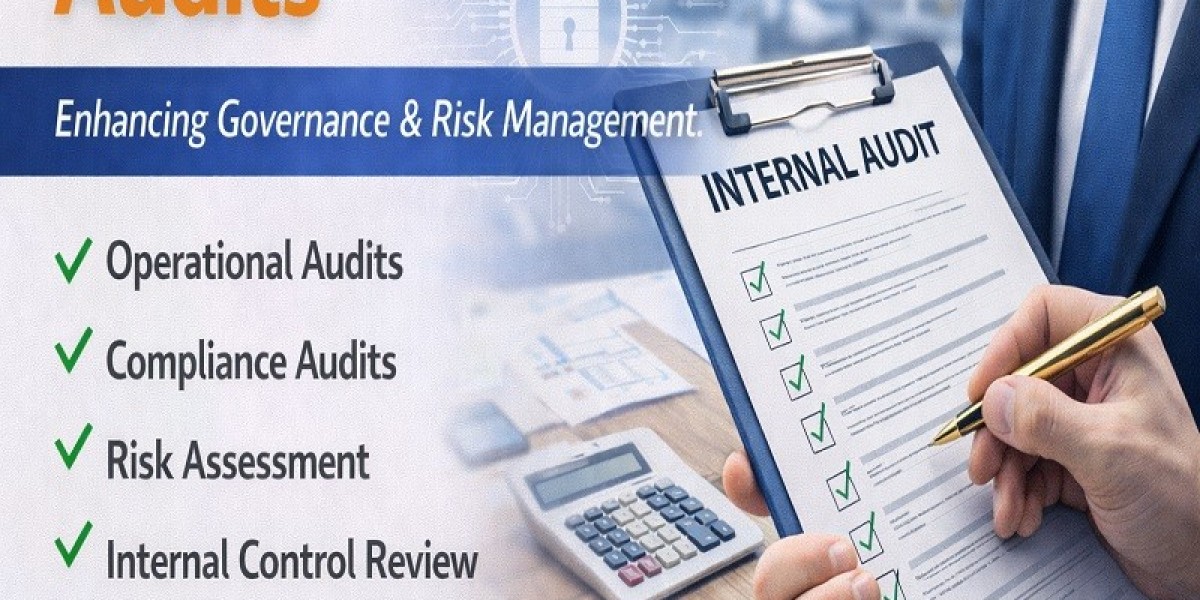

Modern businesses cannot afford not to adopt an iterative approach to reviewing and testing their internal systems and processes. Process inefficiencies, non-compliance, and financial exposure can reduce business productivity. Internal Audits Internal auditors help an organization accomplish its objectives by bringing in a systematic, disciplined approach to evaluate and improve the effectiveness of risk management, control and governance processes; examines adequacy and quality of performance monitoring efforts
For companies seeking long-term growth, production of regular Internal Audits can offer invaluable information on the efficiency of operations and risk management and corporate governance processes. They empower management to adjust the course of action by going on the ‘offence’ while maintaining operational rigour.
What Are Internal Audits?
Internal auditing is an independent, objective assurance and consulting activity designed to add value and improve an organization’s operations. Determine whether internal policies are adhered to and if risks are being managed effectively is the main goal.
Internal Audits are performed to verify that all activities operate at maximum efficiency, financial reliability and compliance with all applicable laws. The audits help management to accomplish organizational goals, and enhanced internal controls.
Relevance of Internal Audits in an Organisation
Internal audit is key to enhancing governance and accountability. They act as a confidence builder that everything is right with the internal system.
Some of the advantages of Internal Audits are :
- Identification of operational inefficiencies
- Due diligence with early discovery of vulnerabilities
- Improved compliance with internal policies
- Enhanced transparency and accountability
- Support for informed decision-making
Companies that make a priority of audits are more effective at managing operations and risk.
Scope of Internal Audits
The content of internal audits will differ by company size, industry sector and the level of risk. The aim of the audits is to prioritise on key risk areas affecting performance and compliance.
Examples of what Internal Audits would normally review areas such as:
- Financial and accounting processes
- Operational workflows and controls
- Compliance with internal policies
- Risk management systems
- IT and data security controls
A clear scope of your audit will guarantee great and valuable coverage.
Internal Audit Process Explained
“Auditing is undertaken on a structured and disciplined basis. It starts with audit planning, in which objectives, scope and methodology are identified.
There are Professional Internal Audits which go into extensive testing, control evaluations and documentations of findings. The result is an audit report which provides the observations, risk assessments, and recommendations for improvement.
The Place of Internal Audit in Risk Management
Operational, financial and compliance risks exist in every enterprise. Internal audit can help find and report on these risks before they become major problems.
Internal Audits help ensure that even as proactive risk mitigation is provided, internal controls are reviewed. They also assist management to improve deficiencies, minimize waste and increase the effectiveness of their governance.
How Corpally Performs Its Internal Audit Well
Corpally offers thorough Internal Audits as per the need of the business or norms of the industry. Why Our audit approach is all about value, not just ticking boxes.
Our services include:
- Risk-based audit planning
- Evaluation of internal controls
- Process improvement recommendations
- Compliance review and reporting
- Continuous audit support
With Corpally, companies have transparency, control and confidence in their internal processes.
Internal Audits for Growing Businesses
The larger the business grows, the more complicated its operations become. The rise in transaction volumes and regulatory burdens require increased controls.
Structured Internal Audits ensure that as organizations grow, operational efficiencies are maintained and fraud is prevented and policies adhered to. A recurring audit is in favor of scalability and long-term stability.
Long-term gains of conducting internal audit in regular intervals
Internal audits should be treated like a continuous improvement process. Ongoing reviews foster accountability and the opportunity for superior execution.
By investing in Internal Audits, organizations can achieve solid governance structures and better risk networks, all of which promote stakeholder confidence. In the long run, this results in consistent growth and steady business performance.
Frequently Asked Questions (FAQ)
What are internal audit?
Internal audits asses internal controls, procedures and risk management practices.
Are internal audits mandatory?
They are not always compulsory but they are good for good governance.
Is there a frequency at which internal audits should be performed?
Usually annually or as needed by risk assessment and management.
Do internal audits help stop fraud?
Yes, audits will find and mitigate the risk of fraud via control assessment.
Why Corpally for internal Audits?
Corpally offers audit services that are organized, dependable and well- focused.