
When couples begin designing something meaningful together, compromise can initially feel like a sacrifice. Each person brings preferences, ideas, and expectations shaped by personal taste and experience. Yet in many cases, compromise does not weaken a design choice, it strengthens it. In New Zealand, where collaboration and balance are highly valued, compromise often leads to results that feel more thoughtful, enduring, and personal.
Understanding Design as a Shared Process
Design is rarely just about aesthetics. It reflects values, lifestyle, and long-term intentions. When two people contribute to the process, differing opinions are inevitable. Rather than viewing these differences as obstacles, many couples discover they are opportunities to create something more balanced.
In New Zealand, shared decision-making is a common part of partnerships. Couples often approach important choices together, valuing equality and open discussion. This mindset naturally leads to designs that feel representative of both individuals rather than dominated by one perspective.
How Compromise Refines Ideas
Initial ideas are often broad or idealistic. Through compromise, these ideas are refined into something more realistic and wearable. When one preference is balanced against another, unnecessary elements are often stripped away, leaving a cleaner, more intentional outcome.
Compromise encourages prioritisation. Couples must decide what matters most and what can be adjusted. This process often results in designs that feel purposeful rather than excessive, aligning well with New Zealand’s preference for understated quality.
Balancing Style With Practicality
One of the most valuable outcomes of compromise is the balance between style and practicality. A design that looks impressive but feels impractical in daily life can quickly lose its appeal. When both partners consider lifestyle alongside aesthetics, the final result tends to be more comfortable and enduring.
New Zealand lifestyles often include outdoor activity, hands-on work, and changing environments. Compromise helps ensure that design choices suit these realities, creating something that fits naturally into everyday routines rather than standing apart from them.
Emotional Investment Through Collaboration
When both people feel heard in the design process, emotional attachment to the final outcome is stronger. Compromise builds shared ownership. Instead of feeling like a concession, the final design becomes a symbol of cooperation and mutual respect.
This emotional investment often makes the design feel more meaningful over time. It represents not only the finished object, but also the conversations, understanding, and teamwork that shaped it.
Reducing Regret and Second Guessing
Design decisions made without compromise can sometimes lead to regret. When one voice dominates, the other may quietly question the outcome later. Compromise reduces this risk by ensuring both perspectives are reflected.
Couples in New Zealand often value long-term satisfaction over instant gratification. Taking time to reach a shared decision may feel slower, but it often results in greater confidence and fewer doubts after the choice is made.
Creativity Thrives Within Constraints
Interestingly, compromise can enhance creativity rather than limit it. When certain options are removed through discussion, new and unexpected solutions often emerge. Constraints encourage innovation.
By blending different tastes, couples often arrive at designs that neither would have chosen alone. These outcomes feel unique precisely because they are shaped by collaboration rather than individual preference.
Reflecting Values of Equality and Respect
Compromise reflects deeper relationship values. It demonstrates respect, patience, and a willingness to listen. These qualities are often mirrored in the final design, which feels balanced and intentional.
In New Zealand culture, where fairness and mutual respect are central, compromise is often seen as a strength rather than a weakness. Designs created through shared effort tend to resonate more deeply with these values.
Long-Term Satisfaction Over Short-Term Preference
Preferences change over time, but values tend to remain stable. Designs shaped by compromise often age better because they are grounded in shared priorities rather than fleeting trends.
Many couples later reflect that what they once viewed as a compromise became the very reason they loved the final result. The design feels adaptable and relevant through different stages of life.
A Meaningful Outcome Built Together
When compromise is approached with openness rather than resistance, it becomes a tool for creating something meaningful. The process itself strengthens the relationship, reinforcing communication and trust.
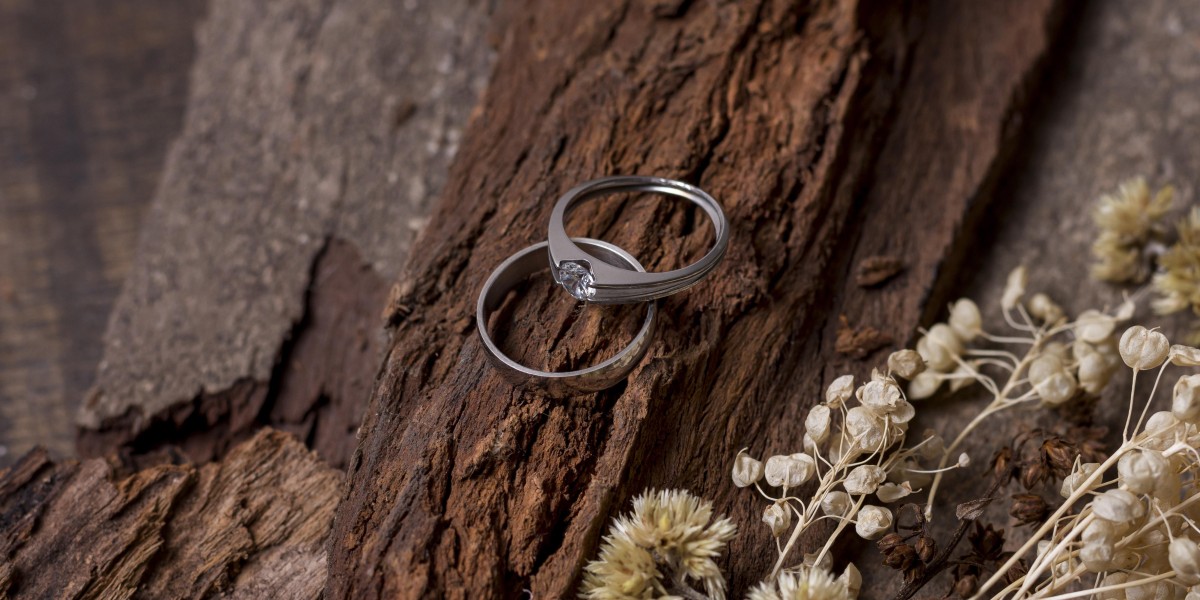
This is especially true when choosing something as symbolic as a wedding ring nz, where the design carries emotional significance well beyond its appearance.
Conclusion
Compromise does not dilute design quality, it enhances it. By blending perspectives, refining ideas, and aligning choices with real life, compromise leads to outcomes that feel balanced, durable, and deeply personal.
In New Zealand, where collaboration and authenticity are valued, compromise often results in designs that stand the test of time. Rather than settling for less, couples who compromise thoughtfully often discover they have created something far better than either could have imagined alone.