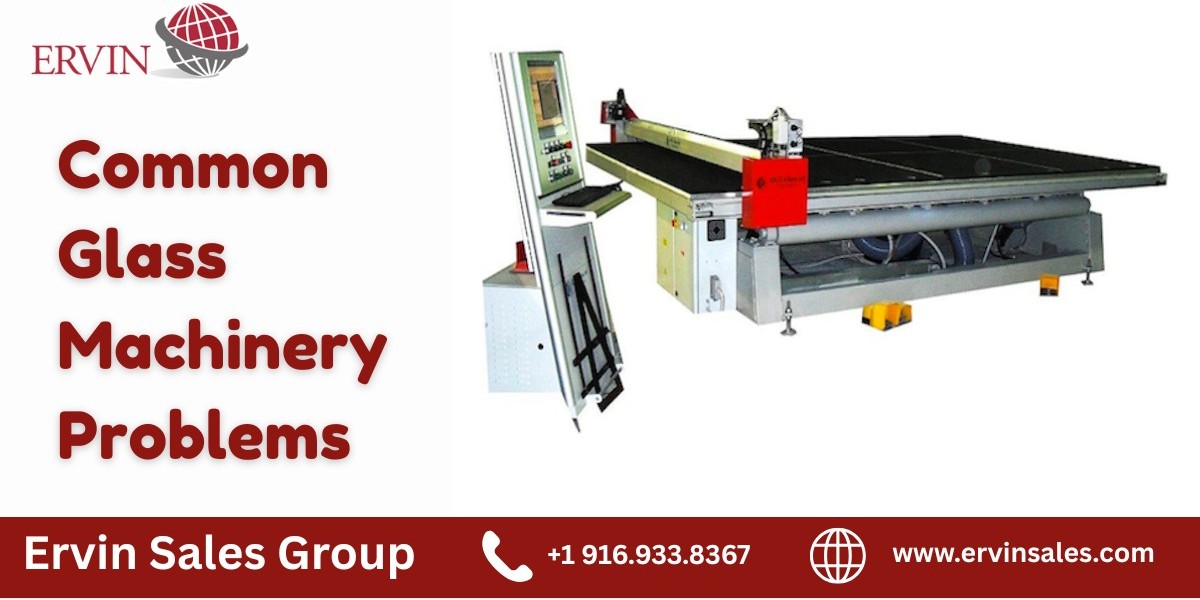

In today’s competitive glass processing industry, glass machinery plays a critical role in maintaining productivity, precision, and profitability. From cutting and drilling to edging and washing, modern machines are designed to deliver high accuracy at scale. However, even the most advanced equipment can face operational issues that lead to costly downtime if not addressed proactively.
Unplanned downtime doesn’t just affect production schedules—it impacts customer satisfaction, increases maintenance costs, and reduces overall equipment lifespan. Understanding common glass machinery problems and knowing how to prevent them can help manufacturers maintain efficiency and stay ahead of the competition. This article explores frequent issues faced in glass processing equipment and practical strategies to minimize downtime while maximizing performance.
1. Mechanical Wear and Tear in Glass Machinery
Mechanical wear and tear is one of the most common problems affecting glass machinery, especially in high-volume production environments. Components such as belts, bearings, rollers, motors, and spindles are under constant stress due to continuous operation and exposure to glass dust. Over time, these parts degrade, leading to vibrations, misalignment, inconsistent output, and unexpected breakdowns.
Machines like the glass cutting table and glass edging machine are particularly vulnerable because they rely heavily on mechanical precision. Even minor wear can affect cutting accuracy or edge quality, resulting in increased glass wastage. Preventing this issue starts with implementing a strict preventive maintenance schedule. Regular inspections, timely lubrication, and replacement of worn parts can significantly extend machine life. Using high-quality glass accessories such as industrial-grade belts, seals, and bearings also reduces the risk of premature failure and helps maintain smooth operation.
2. Electrical and Control System Failures
Electrical issues are another major cause of downtime in glass processing facilities. Modern glass machinery depends on advanced control systems, PLCs, sensors, and wiring networks to operate efficiently. Problems such as loose connections, voltage fluctuations, outdated software, or faulty sensors can cause machines to stop unexpectedly or behave erratically.
For example, a glass drilling machine relies on precise electrical control for speed, depth, and alignment. A minor sensor malfunction can result in inaccurate holes or complete machine shutdown. To prevent electrical failures, it’s essential to conduct routine electrical audits and ensure stable power supply conditions. Updating control software, protecting machines with surge protectors, and training operators to recognize early warning signs—such as unusual alarms or inconsistent performance—can dramatically reduce downtime related to electrical issues.
3. Glass Dust and Debris Accumulation
Glass processing generates significant amounts of dust, chips, and debris, which can accumulate inside machines if not managed properly. Over time, this buildup can clog moving parts, interfere with sensors, and cause overheating. Machines such as the glass washing machine and glass edging machine are especially affected because they handle continuous glass movement and water circulation.
When debris enters sensitive components, it accelerates wear and can lead to sudden equipment failure. Preventing this problem requires consistent cleaning routines and proper dust extraction systems. Installing high-efficiency filters, maintaining water circulation systems, and ensuring that drainage systems are free of blockages can help keep machinery running smoothly. Clean machines not only perform better but also produce higher-quality glass with fewer defects.
4. Improper Use of Glass Accessories and Consumables
The quality and compatibility of glass accessories and consumables have a direct impact on machine performance. Using low-quality cutting wheels, drills, polishing pads, or adhesives can lead to poor results and increased stress on the machinery. Incompatible accessories often cause uneven cutting, excessive vibration, and higher energy consumption.
For instance, a glass cutting table requires precision cutting tools that match the glass thickness and type. Similarly, a glass drilling machine needs specialized drill bits to avoid cracking or chipping. To prevent downtime, always use manufacturer-recommended accessories and replace consumables before they reach the end of their service life. Investing in high-quality accessories may seem costly initially, but it significantly reduces maintenance expenses and production interruptions in the long run.
5. Inadequate Operator Training and Human Error
Even the most advanced glass machinery can fail if operated incorrectly. Inadequate training often leads to improper machine setup, incorrect parameter selection, and delayed response to warning signals. Human error is a leading cause of avoidable downtime in glass processing plants.
Machines such as the glass washing machine and glass edging machine require precise calibration and consistent monitoring. A poorly trained operator may overlook early signs of malfunction, resulting in more severe damage. Preventing this issue involves investing in comprehensive operator training programs and providing clear standard operating procedures (SOPs). Well-trained operators can identify problems early, perform basic troubleshooting, and ensure machines are used within their designed limits, significantly reducing downtime.
6. Lack of Preventive Maintenance Strategy
Reactive maintenance—fixing machines only after they fail—is one of the biggest contributors to prolonged downtime. Without a preventive maintenance plan, minor issues in glass machinery can escalate into major breakdowns that halt production for days.
A proactive maintenance strategy includes scheduled inspections, performance monitoring, and data-driven maintenance planning. Tracking machine performance helps identify patterns such as frequent stoppages or declining efficiency. For equipment like the glass cutting table and glass drilling machine, preventive maintenance ensures consistent accuracy and minimizes scrap rates. Digital maintenance logs and condition-monitoring tools can further enhance maintenance effectiveness and ensure machines operate at peak performance.
Frequently Asked Questions (FAQs)
1. What is the most common cause of glass machinery downtime?
The most common causes include mechanical wear and tear, electrical failures, dust accumulation, and lack of preventive maintenance. Regular inspections and timely servicing can significantly reduce downtime.
2. How often should glass machinery be serviced?
Service intervals depend on usage, but most glass machinery should undergo routine inspection weekly and detailed preventive maintenance monthly or quarterly.
3. Can poor-quality glass accessories damage machines?
Yes, low-quality or incompatible glass accessories can increase vibration, wear, and stress on machines, leading to faster breakdowns and reduced efficiency.
4. Why is operator training important for glass machinery?
Proper training helps operators use machines correctly, identify early warning signs, and prevent costly mistakes that can cause downtime or damage equipment.
5. How does a glass washing machine affect overall production quality?
A well-maintained glass washing machine ensures clean, residue-free glass surfaces, which is essential for further processing like edging, drilling, or coating.
Call to Action: Keep Your Glass Machinery Running at Peak Performance
Downtime doesn’t have to be an inevitable part of glass processing. With the right maintenance strategy, high-quality glass accessories, and properly trained operators, you can dramatically improve the reliability and lifespan of your glass machinery.
If you’re looking to upgrade your equipment, improve efficiency, or need expert guidance on choosing the right glass cutting table, glass drilling machine, glass washing machine, or glass edging machine, now is the time to act. Contact us today to explore reliable solutions designed to keep your production running smoothly and profitably.
Visit: https://www.ervinsales.com/glass-machinery-products/Glass-Machinery/
Contact:
ERVIN, Inc.
13116 Lincoln Way #3138
Auburn, CA 95604
Ph: 9169338367
Email: sales@ervinsales.com