
Avoid Costly Mistakes When Buying a Glass Laminating Machine
Investing in a glass laminating machine is a major decision for any glass fabrication business. Whether you run a small workshop or a large-scale manufacturing unit, choosing the wrong equipment can lead to production delays, poor product quality, safety risks, and unnecessary financial losses. With so many options on the market—each promising efficiency and durability—it’s easy to overlook critical evaluation factors. This guide will help you understand what to look for, what to avoid, and how to confidently choose machinery that supports long-term growth. Along the way, we’ll also explore how related equipment like a glass washing machine, glass tempering machine, and glass cutting machine influence your final decision.
Why Choosing the Right Glass Laminating Machine Matters
A glass laminating machine is not just another piece of equipment—it’s the core of your laminated glass production line. The quality of lamination determines structural strength, clarity, safety compliance, and overall customer satisfaction. If the machine lacks proper temperature control, pressure distribution, or automation precision, the final product may develop bubbles, delamination, or distortion. These defects don’t just waste materials; they damage your brand’s reputation.
Additionally, the right machine can significantly boost productivity. Modern systems offer automated cycles, energy efficiency, and smart monitoring that reduce labor costs and minimize downtime. When selected carefully, a laminating unit integrates seamlessly with upstream and downstream glass machinery, improving workflow from cutting to finishing. Businesses that rush this decision often end up replacing equipment prematurely, paying more in the long run than if they had invested wisely from the start.
Understanding Production Needs Before Buying
Before comparing models, you must clearly define your production requirements. Consider your daily output targets, glass thickness range, maximum sheet size, and types of interlayers you plan to use. A machine designed for architectural laminated glass may not suit automotive or decorative applications. If you underestimate your needs, you risk purchasing a system that cannot handle your workload. Overestimating, on the other hand, can lead to overspending on features you may never use.
It’s also important to evaluate how your laminating unit will integrate with your glass cutting machine and glass washing machine. If your upstream equipment processes large panels but your laminator has size limitations, workflow bottlenecks will occur. Mapping your entire production line ensures compatibility and efficiency. Smart buyers treat equipment selection as a system decision, not a single-machine purchase.
Key Technical Features to Evaluate
When assessing a glass laminating machine, technical specifications should be your primary focus. Temperature uniformity is critical; uneven heating can cause weak adhesion or optical defects. Look for machines with advanced heating elements, multiple temperature sensors, and precise control systems. Pressure consistency is equally important, as uneven pressure distribution leads to trapped air pockets.
Automation features can also make a major difference. PLC controls, programmable cycles, and real-time monitoring improve repeatability and reduce operator error. Energy efficiency is another factor often overlooked. Machines with better insulation and optimized heating systems consume less power, lowering operating costs over time. Finally, consider safety features such as emergency stops, overload protection, and fail-safe alarms. These may not seem essential during purchase, but they can prevent accidents and costly downtime later.
Common Mistakes Buyers Make
One of the most frequent mistakes is choosing a glass laminating machine based solely on price. A lower upfront cost can be tempting, but cheaper machines often lack durability, precision, and reliable support. Another mistake is ignoring compatibility with other glass machinery in your facility. Even the best laminator will underperform if it doesn’t align with your existing production flow.
Buyers also tend to overlook operator training requirements. Complex machines without proper training support can lead to misuse and defects. Some companies skip checking warranty terms and spare parts availability, only to face long delays when repairs are needed. Lastly, failing to request sample production tests before purchase is a major oversight. Testing with your own glass types and interlayers gives you real-world performance insights that specifications alone cannot provide.
Comparing with Other Glass Machinery in Your Line
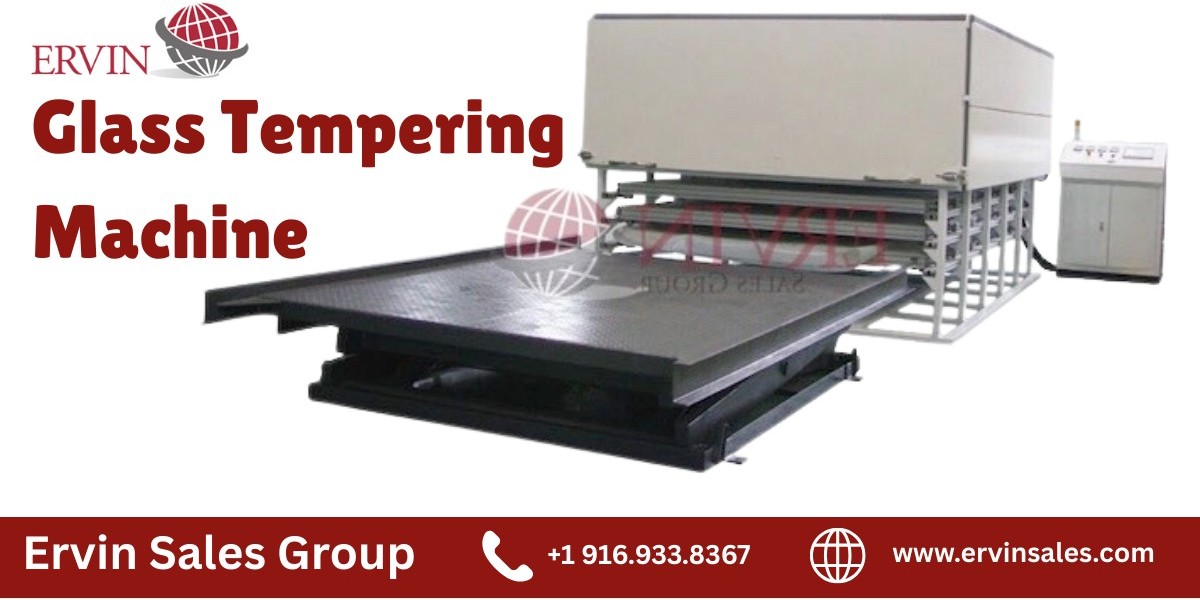
A laminating unit doesn’t operate in isolation. It must coordinate efficiently with your glass washing machine, glass cutting machine, and glass tempering machine to maintain consistent output. For example, if your washing system leaves moisture or residue, lamination quality will suffer. Similarly, inaccurate cutting equipment can create size mismatches that disrupt lamination alignment.
When evaluating machines, think in terms of system synergy. The best manufacturers design equipment that communicates digitally or at least matches speed and capacity levels. A balanced production line prevents bottlenecks and ensures every stage works at optimal efficiency. Investing in compatible machinery often increases throughput more than upgrading a single component. This holistic approach is what separates high-performing fabrication plants from those constantly troubleshooting production issues.
Cost vs Value: Budget Considerations
Budget planning should focus on total cost of ownership rather than purchase price alone. A high-quality glass laminating machine may cost more initially, but it often saves money through reduced waste, lower maintenance, and higher productivity. Calculate expenses such as installation, training, spare parts, and energy consumption. These hidden costs can significantly impact your long-term budget.
Financing options are also worth exploring. Some suppliers offer leasing or staged payment plans that make advanced equipment more accessible. Another factor is resale value. Well-known brands with proven durability typically retain higher resale prices, protecting your investment if you upgrade later. By evaluating cost from a lifecycle perspective, you avoid the common trap of buying cheap equipment that becomes expensive to maintain.
Why Supplier Reputation Matters
The supplier you choose is just as important as the machine itself. A reputable vendor provides technical guidance, transparent specifications, and honest recommendations tailored to your needs. They should also offer installation assistance, operator training, and responsive customer support. Without these services, even the best glass laminating machine can become difficult to operate effectively.
Research the supplier’s track record. Look for client testimonials, case studies, and industry experience. Companies with years of specialization in glass machinery typically understand production challenges and can recommend solutions you may not have considered. Strong suppliers also maintain spare parts inventories and provide quick technical assistance, minimizing downtime if issues arise. Choosing a trusted partner ensures your investment is supported long after the purchase is complete.
Maintenance and After-Sales Support
Maintenance plays a major role in the lifespan of a glass laminating machine. Regular inspections, cleaning schedules, and timely replacement of wear parts keep the system operating at peak performance. Machines designed with easy-access panels and modular components simplify servicing and reduce labor time.
After-sales support is equally crucial. Reliable suppliers provide troubleshooting assistance, remote diagnostics, and clear maintenance documentation. Some even offer preventive maintenance programs that detect potential issues before they cause breakdowns. Businesses that neglect maintenance planning often face unexpected downtime and costly repairs. By prioritizing support services during purchase, you ensure your equipment remains productive and dependable for years.
Future-Proofing Your Investment
Technology in the glass industry continues to evolve, and your glass laminating machine should be capable of adapting. Machines with upgradeable software, modular components, and compatibility with new interlayer materials allow you to expand capabilities without replacing the entire system. This flexibility is especially important if you plan to diversify into new glass products or markets.
Scalability is another factor. If your business grows, your machine should handle increased production without compromising quality. Investing in equipment with higher capacity or expansion options prepares you for future demand. Forward-thinking buyers evaluate not just current needs but also where their business will be in five or ten years. Future-ready machinery ensures your investment remains valuable instead of becoming obsolete.
Partner with the Right Experts
Choosing the right equipment partner can make all the difference in avoiding costly mistakes. Working with experienced suppliers like Ervin Sales Group gives you access to industry expertise, quality machinery, and reliable support. Their team can help you evaluate specifications, compare models, and select the ideal solution tailored to your production goals.
Ready to upgrade your production line? Contact their specialists today to explore high-performance solutions that match your needs and budget. A professional consultation can save you time, reduce risk, and ensure you invest in machinery that delivers consistent results.
Frequently Asked Questions
1. What is the ideal capacity for a glass laminating machine?
The ideal capacity depends on your production volume and glass size requirements. Small workshops may only need a compact system, while large manufacturers benefit from high-capacity automated models. Always match machine specifications with your daily output targets.
2. How does a glass washing machine affect lamination quality?
Proper washing removes dust, oil, and residues that can interfere with bonding. If glass is not thoroughly cleaned and dried before lamination, bubbles and adhesion problems can occur.
3. Should I buy new or used glass machinery?
New equipment offers the latest technology and warranty protection, while used machines may reduce upfront costs. However, used units require careful inspection to ensure reliability and compatibility with your production line.
4. What safety features should I look for?
Important safety features include emergency stop buttons, overheating protection, pressure monitoring, and automatic shutdown systems. These protect both operators and equipment.
5. How long does a laminating machine typically last?
With proper maintenance, a high-quality machine can last 10–20 years or more. Longevity depends on build quality, usage intensity, and adherence to maintenance schedules.
By understanding your requirements, evaluating technical features, and choosing a trusted supplier, you can confidently invest in a glass laminating machine that delivers reliable performance and long-term value.
Visit: https://www.ervinsales.com/glass-machinery-products/glass-laminating/
Contact:
ERVIN, Inc.
13116 Lincoln Way #3138
Auburn, CA 95604
Ph: 9169338367
Email: sales@ervinsales.com